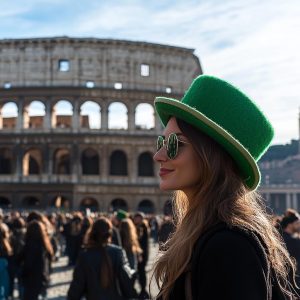

Across Europe, the season leading up to Lent is marked by a vibrant spectrum of traditions—from the flipping of pancakes in the UK to the energetic parades of Mardi Gras in continental Europe.
In this article, we explore how various countries celebrate these pre-Lenten festivities, allowing us to appreciate the cultural and historical nuances behind each tradition.
Delving into the Historical Roots
The celebration of pre-Lenten festivities finds its origins in ancient customs designed to indulge and enjoy before the austerity of the Lenten season set in.
In many European cultures, these traditions have evolved over centuries, blending pagan rituals with Christian practices.
Pancake Day, traditionally celebrated in the United Kingdom, was a way to use up rich ingredients like eggs, milk, and sugar before the fasting period began.
On the other hand, Mardi Gras—French for “Fat Tuesday”—became synonymous with elaborate feasts, masquerades, and parades, its origins stemming from medieval Europe.
Historically, the shift from Roman and pagan celebrations to Christian observances did not erase local customs but instead interwove them with religious symbolism.
The result was a multifaceted celebration that celebrates both indulgence and tradition, whether you are flipping pancakes or orchestrating a grand parade.
This fascinating blend makes each festival not only a culinary or festive event but also an insightful journey into history and tradition. Visitors are invited to relive age-old practices that honor community, renewal, and seasonal change.
Culinary Rituals: Pancake Day’s Delicate Flips and Mardi Gras’s Lavish Feasts

Food plays a pivotal role in pre-Lenten celebrations.
In the United Kingdom and parts of Europe, Pancake Day is not merely about a sweet beginning to the day—it’s an opportunity to showcase culinary creativity.
Traditional recipes call for a light batter with fresh eggs and milk, often served with syrups, citrus, or a drizzle of lemon juice.
The flipping of pancakes is almost ritualistic, symbolizing the turning away from the year’s excesses and the preparation for the solemnity of Lent.
By contrast, Mardi Gras in countries like France and Italy offers a feast for both the eyes and the palate.
The day is marked by a sumptuous spread of local delicacies, including robust pastries, rich meats, and intricate desserts.
The culinary arts are elevated to celebratory performances, with chefs and home cooks alike preparing recipes that have been guarded and passed down through generations.
In regions such as Venice, the preparations include elaborate recipes such as fritters and beignets that require precise technique and love.
While Pancake Day emphasizes the simplicity of homemade ingredients, Mardi Gras takes indulgence to a new level with its lavish offerings.
Both traditions remind us that food connects communities, creating a sense of shared history and cultural pride.
Festive Customs: Parades, Pancakes, and Pageantry
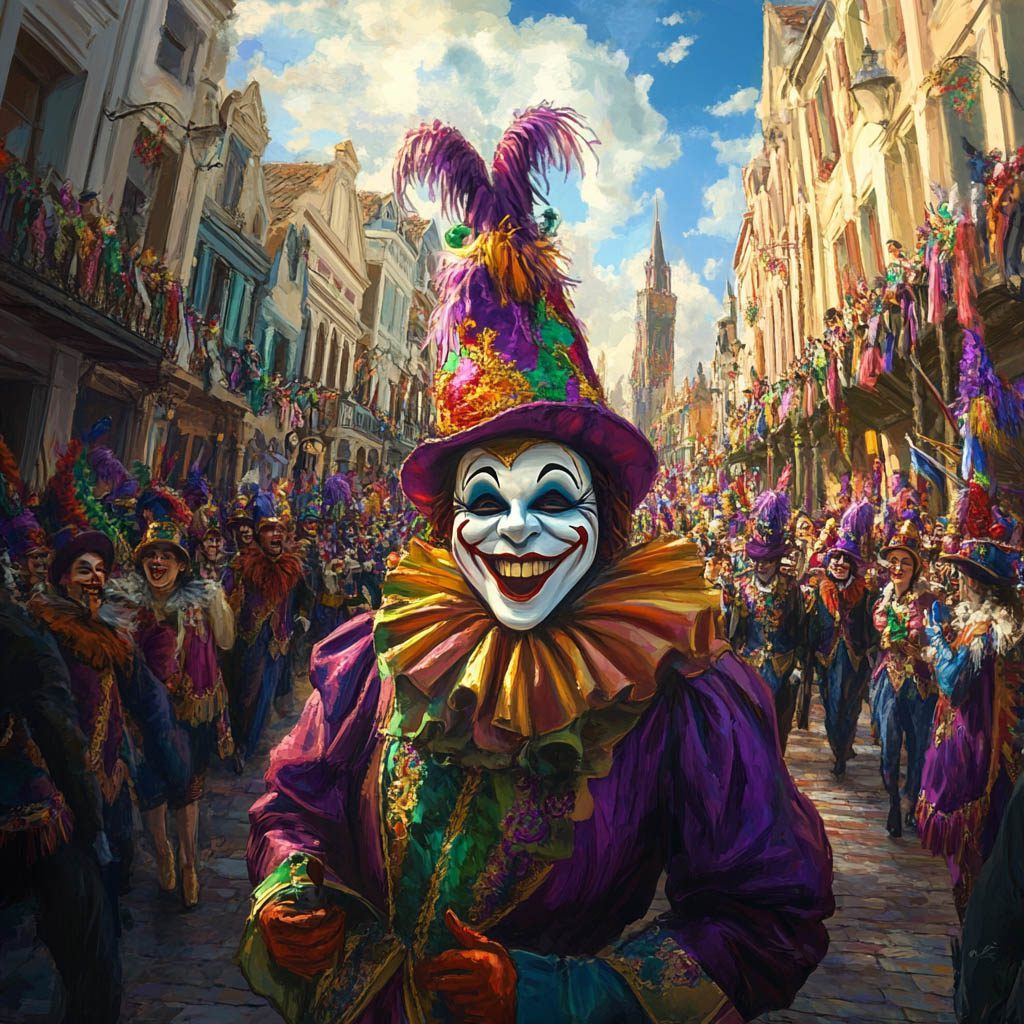
In Europe, the exuberance of pre-Lenten celebrations is best encapsulated by the customs that accompany the feasts. In the United Kingdom, Pancake Day is a day of playful contests where individuals try to flip pancakes skillfully and even perform tricks with them.
It is common to see gatherings in parks and village squares where the community comes together in friendly competition.
The lighthearted atmosphere fosters community bonds and offers a brief respite from daily routines.
On the other hand, Mardi Gras celebrations are steeped in pageantry and community theatrics. In cities like Nice in France or Venice in Italy, the parades are meticulously organized with floats, elaborate costumes, and masked dancers.
The revelry extends from public squares to narrow city streets, captivating onlookers with its mesmerizing blend of color, music, and dance.
Traditional music, including brass bands and folkloric tunes, fills the air, and the community rallies around centuries-old customs that celebrate life’s exuberance before the reflective period of Lent begins.
These festivities are more than just communal entertainment; they are living cultural archives that preserve local histories and traditions.
They serve as platforms for individuals to express artistic creativity and for communities to reassert their identity in a rapidly changing world.
Regional Celebrations: A Tapestry of European Traditions
One of the most intriguing aspects of pre-Lenten festivities is the variance in celebration styles across Europe.
In the United Kingdom, Pancake Day has become a festival synonymous with simplicity and communal warmth.
It is characterized by neighborhood pancake races, where participants sprint while flipping their pancakes—an event that has gained popularity both as a competitive sport and as a fun day out for families and tourists.
In contrast, Mardi Gras in countries like France, Spain, and Italy is steeped in a tradition of artistic expression and elaborate celebrations.
For example, in France, the Carnival of Nice transforms the French Riviera into a playground of extravagant floats and masked balls.
Similarly, in Spain, the carnival festivities include lively street parties, traditional dances, and a burst of local music that reflects the country’s rich cultural heritage.
Italy’s Carnevale is another famed example, where historical costumes and dramatic masks create a surreal world that transcends everyday reality.
The celebration is not just about revelry but is deeply interwoven with local legends and cultural motifs passed down over generations, showcasing the country’s mastery of blending art, history, and modernity.
These regional variations remind us that while pre-Lenten festivities share common themes of indulgence and community, each country’s celebration remains distinctly unique—a true tapestry woven from the threads of diverse cultural identities.
Modern Adaptations: Tradition Meets Innovation
While rooted in tradition, both Pancake Day and Mardi Gras have evolved to keep pace with modern society.
Today, social media, tourism, and local innovations have added new layers to these age-old customs. In the UK, Pancake Day events are now broadcast live online, with creative pancake flipping challenges that encourage participants from around the world to engage virtually.
Restaurants and local vendors often introduce innovative pancake recipes, combining traditional ingredients with unexpected flavors, thereby broadening the appeal of this humble dish.
Mardi Gras, too, has embraced modernity while preserving its historical and cultural essence.
In European cities globally recognized for Mardi Gras celebrations, digital media has played a significant role in amplifying the festivities.
Live streams, virtual tours of the parades, and interactive apps that offer historical background and costume design tips have all contributed to a renewed sense of excitement and global participation.
Interestingly, these modern adaptations have also triggered friendly debates within communities, with some purists advocating for the preservation of the traditional formats.
Nonetheless, the dynamic interplay between the old and the new continues to shape these celebrations, ensuring that they remain relevant and engaging for both locals and visitors.
Ultimately, the evolution of these festivals is a testament to the resilience and adaptability of cultural traditions. They continue to serve as communal milestones that honor the past while embracing the future.
Cultural Resonance: The Deeper Meanings Behind the Festivities
Beyond the food, costumes, and parades lies the deep cultural resonance of these pre-Lenten celebrations.
Both Pancake Day and Mardi Gras serve as markers of societal identity, offering insights into how communities relate to their history, values, and social bonds.
Pancake Day, with its emphasis on simplicity and communal participation, reflects the English ethos of humor, resilience, and warmth.
It is a celebration that emphasizes shared experiences and the joy of everyday moments.
Conversely, Mardi Gras encapsulates the dramatic flair and exuberance often associated with southern European cultures.
The elaborate costumes, masked figures, and orchestrated parades evoke themes of transformation, mystique, and liberation—elements that date back to ancient rituals celebrating the cyclical patterns of life, death, and rebirth.
Through these festivities, communities can express a temporarily liberated identity, one that transcends the mundane and taps into a realm of creative expression and communal storytelling.
The cultural resonance of these festivals is profound.
They provide a platform for cultural exchange, allowing visitors and locals alike to engage in a shared narrative that is rich with tradition, history, and a sense of belonging.
It is a dynamic interplay between continuity and change—a celebration of identity that keeps the spirit of pre-Lenten festivities vibrant, regardless of the era.
Conclusion: Celebrating Diversity Through Festivity
The beauty of pre-Lenten celebrations in Europe lies in their diversity and historical richness.
Whether it’s the charming simplicity of Pancake Day in the United Kingdom or the extravagant vibrancy of Mardi Gras in France, Italy, and beyond, these festivities offer much more than a temporary indulgence.
They are reflections of communal identity, historical evolution, and the ever-changing dialogue between tradition and modernity.
In each flip of a pancake and every beat of a drum during a Mardi Gras parade, there is an underlying narrative that speaks to human resilience, creativity, and the timeless desire to celebrate life before entering a period of reflection.
By exploring these different traditions, we not only learn about the customs of various cultures but also gain a deeper appreciation of the universal language of festivity—a language that continues to connect us across borders and generations.
As Europe steps into the new era of interconnected celebrations, it is exciting to witness how these rituals continue to inspire and innovate, ensuring that the spirit of pre-Lenten indulgence remains as vibrant as ever.
So whether you find yourself in a quaint British village or in the heart of an Italian carnival, take a moment to immerse yourself in the local traditions, savor the unique flavors, and celebrate the beautiful mosaic of European culture.