
Rediscovering the Magic of the Spring Equinox Festival
The vernal equinox, marking the precise moment when day and night are nearly equal in length, has been observed with reverence by cultures throughout Europe for millennia.
As winter fades and nature bursts into life, communities celebrate this balance with a blend of ancient rituals and modern festivities.
In today’s fast-paced world, these festivals offer a moment to pause, reflect, and immerse ourselves in traditions that have endured as symbols of renewal, hope, and connectivity with the natural world.
This article delves into the captivating journey of the Spring Equinox Festival in Europe, tracing its origins from ancient rites to contemporary celebrations.
We will explore various regional customs that celebrate both the mystical aura of the equinox and its modern adaptations.
Join us as we journey through vivid landscapes of ritual, art, and community festivities that unite old-world wisdom with present-day innovations.
The Historical Roots: Ancient Traditions and Their Meaning
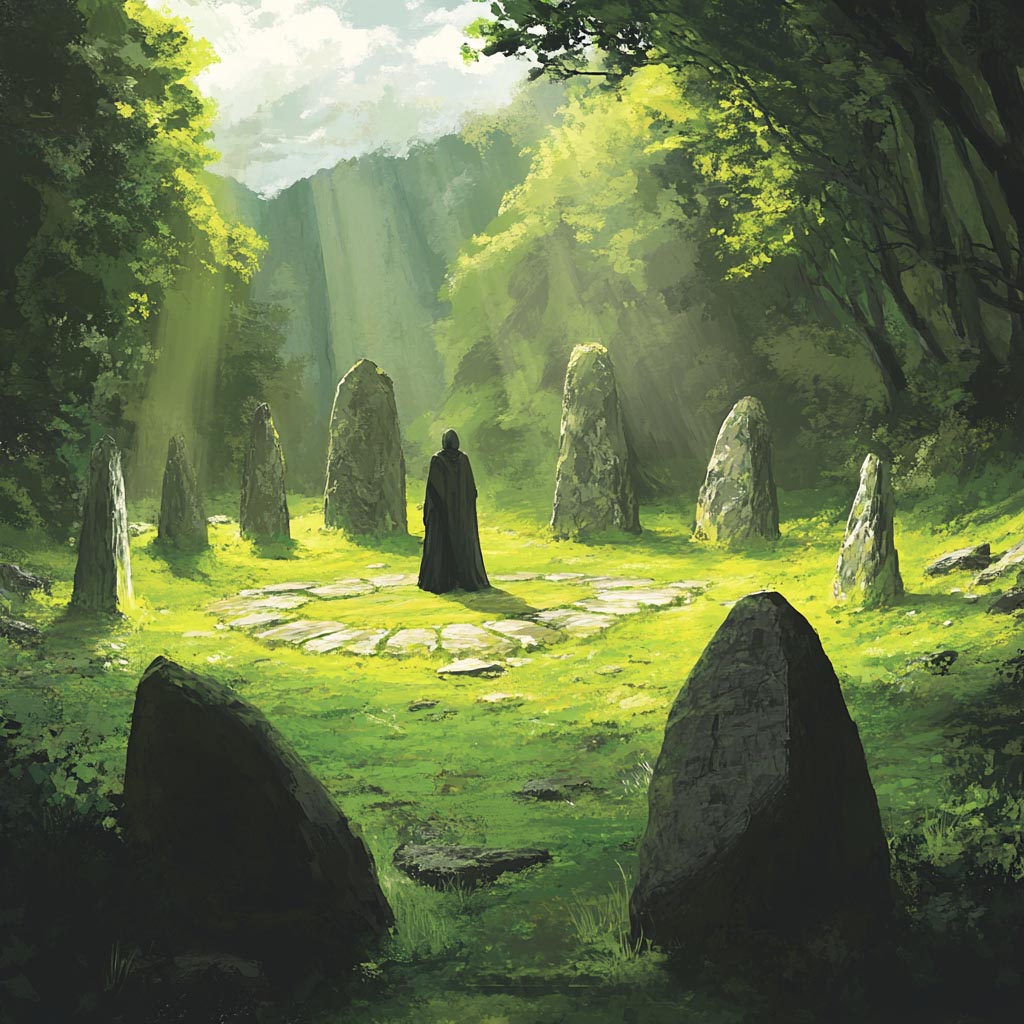
Centuries before modern calendars and festivities, ancient European cultures observed the movement of the sun with great care.
Agrarian societies, whose lives depended on the cycles of nature, recognized the equinox as a pivotal moment. The balance of light and dark was seen as symbolic of life’s duality and served as an important reminder of the ongoing cyclic nature of existence.
From Celtic tribes celebrating the rebirth of the earth to Germanic peoples invoking blessings for a fruitful year, the equinox was more than just an astronomical event—it was a moment imbued with meaning and hope.
Rituals often included ceremonies to honor the deities associated with spring, prayers for fertility, and offerings to the earth. These ancient customs laid a rich foundation that continues to influence modern celebrations.
Celtic Celebrations: Symbolism and Rituals

The Celts, with their deep connection to nature, held the Spring Equinox in high esteem.
Their celebrations were vibrant affairs filled with music, dance, and communal feasting. Central to these festivals was the concept of rebirth and transformation—a theme echoed in the burgeoning life around them.
Traditional rites often included the lighting of bonfires, which symbolized the return of warmth and light after the long, cold winter months.
Participants would gather to make offerings and express gratitude to the forces of nature, creating an atmosphere of shared hope and renewal.
These time-honored practices continue to influence regional celebrations, ensuring that the essence of the equinox lives on.
Norse and Germanic Influences: The Legacy of Ostara
To the north, Norse and Germanic traditions shaped unique interpretations of the spring equinox.
One prominent celebration, often linked to the goddess Ostara, emphasized fertility, growth, and the rejuvenation of nature. Ostara, also revered in other parts of Europe, became a symbol that bridged ancient pagan beliefs with emerging cultural expressions.
In these regions, communities engaged in rituals that celebrated the transformation of the seasonal landscape.
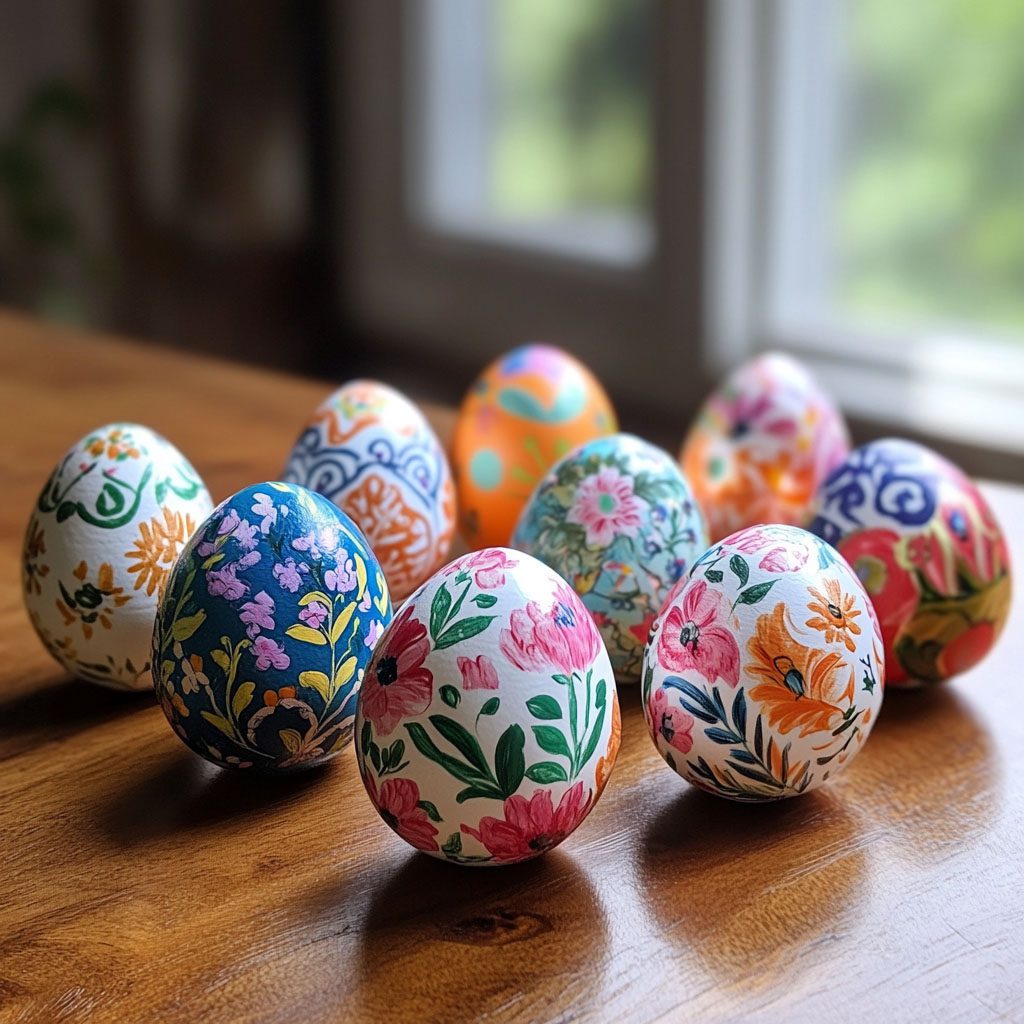
Decorated eggs, a symbol of new life, featured prominently, while nature walks and communal gatherings underscored the interconnectedness of all living things.
Such traditions not only enriched local folklore but also influenced modern adaptations, creating a tapestry of customs that are both ancient and dynamically contemporary.
Medieval Adaptations: When Tradition Meets Christianity
As Christianity took root across Europe, many pagan customs were either assimilated or transformed to align with new religious paradigms.
The spring equinox, with its potent symbolism of resurrection and renewal, fit remarkably well into the narrative of Christian rebirth epitomized by Easter.
Medieval festivals often included processions, hymns, and symbolic representations of the triumph of light over darkness.
Local legends flourished around these events, imbuing them with a colorful mix of spirituality, folklore, and communal celebration.
This melding of traditions ensured that while the religious significance evolved, the spirit of the equinox festival—its celebration of life’s perpetual cycle—remained vibrant.
Modern Celebrations: Bridging the Past and Present

In today’s Europe, the Spring Equinox Festival is celebrated with a medley of ancient rites and innovative modern twists.
Cities and small villages alike host events that reflect a renewed interest in ecological balance and seasonal change.
While some communities cling to traditional practices, others embrace contemporary art installations, live music performances, and community wellness gatherings to mark the equinox.
Modern celebrations have also become platforms for environmental advocacy.
With a growing awareness of sustainability, many events incorporate eco-friendly practices, organic local foods, and workshops on living in harmony with the natural world.
This blend of the old and new not only provides a rich cultural experience but also fosters a deeper connection between humanity and the environment.
For many, participating in these festivals is a way to step out of the everyday hustle and reconnect with nature, sense community, and rekindle the intrinsic human rhythm attuned to the cycles of the earth.
Regional Highlights: Unique Festivals Across Europe
Europe is home to an extraordinary array of spring equinox events, each with its distinctive flair. Here are some regional highlights:
The Celtic Revival in Ireland
In Ireland, the ancient druidic traditions are celebrated through reenactments that are both educational and entertaining.
Participants engage in storytelling, ritual dances, and symbolic ceremonies that echo the myths of old. The atmosphere is both mystical and communal, inviting everyone to partake in the ancient allure of Celtic heritage.
Ostara Celebrations in Scandinavia
Scandinavian countries, with their dramatic landscapes and stark seasonal contrasts, host equinox festivals that often include outdoor activities.
From bonfire gatherings to nature hikes, the celebrations are as invigorating as the crisp spring air. These events emphasize both the natural beauty of the region and its deep-rooted traditions.
Vibrant Vernal Visions in Southern Europe
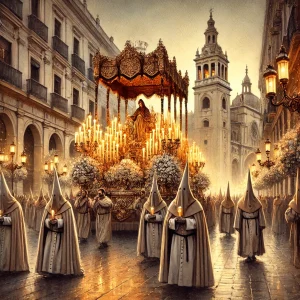
In Southern Europe, particularly in parts of Spain and Italy, the spring equinox is celebrated with vibrant processions, flower-adorned altars, and community feasts.
The fusion of local culinary delights with artistic displays creates an immersive sensory experience that is as rich in tradition as it is modern in its execution.
Festive Culture: Foods, Crafts, and Community Spirit
One of the most delightful aspects of the spring equinox festivals is the infusion of local culture through food, crafts, and music. Each celebration is a showcase of regional cuisine where seasonal ingredients are the star.
Fresh herbs, spring vegetables, and fragrant flowers characteristically adorn the tables, serving not only as nourishment but also as symbols of nature’s bounty.
Artisans and craftsmen take this time to display their handiwork, from intricately decorated eggs to handmade jewelry and textiles that weave ancient symbols with contemporary design.
The celebration of art and craft reinforces the idea that the equinox is not only a time for renewal of nature but also a renewal of cultural traditions and local identity.
Music, too, plays a pivotal role. Traditional ballads are often interwoven with modern folk tunes, creating a musical mosaic that captures the essence of a region’s history.
Community choirs and live bands perform amidst scenic backdrops, inviting participants to join in a collective celebration of life and creativity.
Spiritual Reflection and Mindful Celebration

Beyond the lively festivities, many people embrace the spring equinox as a time for spiritual reflection and personal renewal.
In a world where technology often keeps us tethered to our screens, these festivals offer an opportunity to disconnect and reconnect with our inner selves.
Meditation sessions, yoga gatherings, and mindful walks in nature are common features of contemporary equinox celebrations.
The spiritual aspect of the festival emphasizes balance—both in nature and within ourselves. The symbolic balance of light and dark during the equinox is a reminder to find equilibrium in our busy lives. Whether through quiet reflection, group ceremonies, or personal rituals, the equinox provides a powerful moment to set intentions for the future and let go of the past.
How to Experience a Spring Equinox Festival: Tips for Modern Celebrants
Whether you are a local or a visitor, experiencing a Spring Equinox Festival in Europe can be a profoundly moving and enriching adventure. Here are some tips for making the most of your experience:
- Do Your Research: Before attending, research the regional customs and history of the festival. This background will enrich your experience and allow you to appreciate the depth of the traditions.
- Engage Locally: Embrace the local culture by participating in community activities, sampling regional foods, and interacting with locals. These genuine connections often offer the most memorable insights into the celebration.
- Dress for the Occasion: Many festivals encourage participants to don traditional or symbolic attire. Whether it’s a simple accessory or full traditional garb, dressing the part can deepen the sense of immersion.
- Document Your Journey: Capture the vibrant scenes through photography or journaling. Not only does this help preserve your memories, but it also allows you to share the experience with others who might be inspired to join in future celebrations.
- Find Balance: Take time to engage in both the dynamic festivities and quiet moments of reflection. This balance mirrors the equinox itself and enhances the overall experience.
The Spring Equinox Festival is a rare moment when ancient traditions and modern lifestyles beautifully converge. It offers not only a celebration of the changing seasons but also a reminder to honor the cyclical nature of life, embracing change with open hearts.
Looking Ahead: The Enduring Impact of the Equinox Festival
As Europe continues to evolve, so too do the ways in which the Spring Equinox Festival is celebrated.
The fusion of age-old customs with the energy of modern creativity ensures that this festival remains both a testament to our shared past and an inspiration for future generations.
Community organizers, artists, and environmental advocates often collaborate to host events that not only entertain but also educate.
Workshops on sustainable living, talks on historical traditions, and art installations that reflect the beauty of the natural world are integral parts of many modern equinox celebrations.
The equinox remains a global symbol, resonating with anyone seeking renewal and balance in life.
By nurturing these traditions, communities across Europe honor their heritage while simultaneously embracing progress and innovation.
The enduring appeal of the Spring Equinox Festival lies in its ability to connect individuals to a larger narrative—a narrative that speaks of resilience, regeneration, and hope.
Conclusion: A Celebration of Renewal and Unity
The Spring Equinox Festival in Europe is much more than a seasonal marker.
It is a celebration of the eternal rhythm of life—a bridge connecting our shared past with the ever-unfolding present.
Whether through ancient rituals or modern festivities, this period of balance invites us to celebrate growth, embrace diversity, and reflect on our place within the natural world.
As communities gather under the emerging light of spring, they participate in a timeless dialogue between nature and humanity.
The Spring Equinox Festival continues to evolve, captivating everyone with its rich cultural narratives and its eternal message of hope and renewal.