Europe boasts a vibrant tapestry of unconventional holiday customs that defy the typical image of a snowy, candlelit Christmas.
From fearsome figures like Krampus roaming Central European villages to the mischievous, log-bearing Caga Tió in Catalonia, the continent reveals a side of Christmas that is as intriguing as it is diverse.
In this article, we explore some of the most unusual traditions and the unique Christmas markets that accompany them, shedding light on cultural practices that have been celebrated for centuries.
1. Krampus: The Dark Companion of Christmas

In many regions of Austria, Germany, and parts of Eastern Europe, the holiday season is ushered in not only by jovial Saint Nicholas but also by a fearsome figure known as Krampus.
This demonic, horned creature is a stark contrast to the benevolent gift-giver and is believed to punish misbehaving children.
During early December, communities hold festivals and parades where participants dress as Krampus, roaming the streets and striking a balance between folklore and theatrical performance.
The tradition of Krampus originates from pre-Christian Alpine culture and has survived through centuries of evolving customs. In modern celebrations, the figure’s role is both symbolic and interactive – a reminder that every action has consequences and that folklore serves as an educational tool.
Beyond the initial shock, the festivities are immersive, complete with themed markets offering crafts, warm beverages, and traditional foods that echo old Alpine recipes.
Today, Krampus parades have become a central attraction at unusual Christmas markets across the region, drawing crowds eager to witness a spectacle that blends the eerie with endearing tradition.
The presence of Krampus in public celebrations has sparked renewed cultural interest, inviting visitors to explore beyond the commercial trappings of modern holiday seasons.
2. Caga Tió: The Catalan Log That Poops Presents

In Catalonia, Spain, one of the most endearing and unusual Christmas traditions is that of Caga Tió, or “Tió de Nadal.” This character is no ordinary log; it is a small, hollow log decorated with a painted face and a jaunty red hat.
Starting from early December, families cultivate this log’s “mood” by covering it with a blanket and feeding it small treats.
The culmination of the tradition takes place on Christmas Eve or Day, when children beat the log with sticks while singing a traditional rhyme that encourages it to “poop” out a plethora of gifts.
The Caga Tió tradition encapsulates the playful spirit of the holiday. As strange as it sounds, the practice is deeply symbolic, representing the idea of giving in abundance, no matter how unexpected the source.
The ritual of whacking the log is both physical and communal – an activity that epitomizes the Catalan approach to fostering joy, laughter, and the magic of anticipation.
This quirky tradition is also celebrated at Catalonia’s unusual Christmas markets, where artisanal stalls and historic settings transport visitors to another era.
Here, locals and tourists alike indulge in regional delicacies, crafts, and the warmth of communal celebration, providing a refreshing alternative to the conventional holiday market experience.
3. The Yule Lads and the Yule Cat: Iceland’s Mischievous Duo

Far to the northwest, Iceland’s holiday narrative is enriched by a host of fascinating creatures.
Among these are the Yule Lads, a group of 13 mischievous pranksters who descend from the mountains one by one in the days leading up to Christmas. Each Yule Lad leaves behind a small gift or a playful trick, depending on the behavior of children throughout the season.
Their antics are not merely for amusement—they are a reminder of the balance between mischief and reward in Icelandic culture.
Complementing the Yule Lads is the legend of the Yule Cat (Jólakötturinn), a gigantic feline said to devour those who did not receive new clothes for Christmas.
This myth served as an incentive for hard work during the harvest season, as well as a cautionary tale to encourage generosity and community spirit.
The Yule Cat, with its mysterious aura, has found its way into modern celebrations and even appears as an unusual feature in certain Christmas markets across Iceland.
Together, the Yule Lads and the Yule Cat offer visitors one of Europe’s most distinctive holiday experiences.
At local markets, themed stalls pay homage to these legends with handcrafted goods, storytelling sessions, and seasonal treats – all serving as tangible connections to Iceland’s rich folklore and tradition.
4. Mari Lwyd: The Living Symbol of Welsh Winter
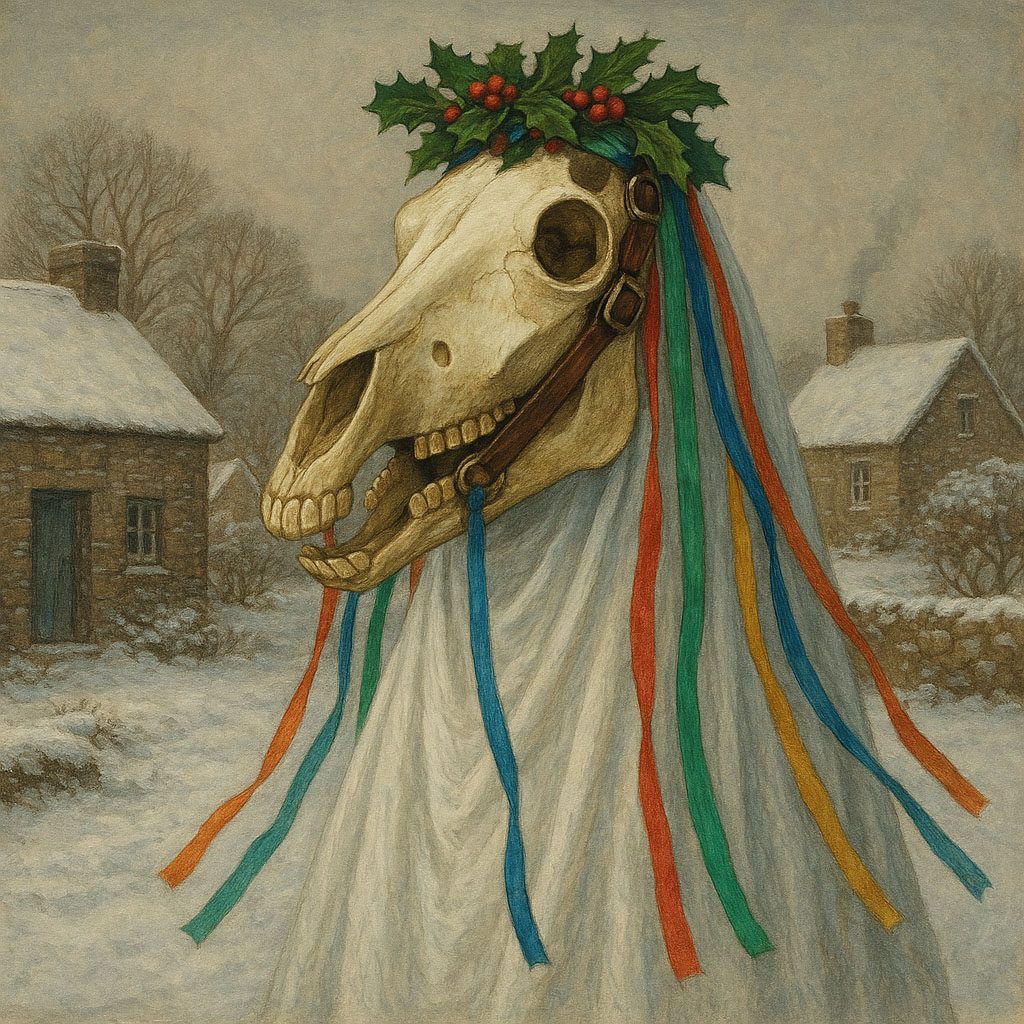
Moving to the British Isles, Wales preserves a unique tradition known as Mari Lwyd, which translates to “Grey Mare.”
This custom involves decorating a horse’s skull, often mounted on a pole and draped in a white sheet, and parading it through neighborhoods during the Christmas period.
The procession is typically accompanied by music, rhymes, and a series of witty verbal exchanges with the residents.
The Mari Lwyd tradition is an intricate blend of community theatrics and ancient Celtic rituals.
It begins during the twelve days of Christmas and is thought to have pre-Christian roots. While the sight of a horse skull in a flowing white cloth might seem morbid to the uninitiated, it is celebrated as a symbol of life, death, and rebirth – themes that resonate strongly during the winter festival.
Modern celebrations have adapted Mari Lwyd into a highlight of local unusual Christmas markets in Wales.
Here, enthusiasts showcase traditional crafts, historical narratives, and festive delicacies, allowing visitors to step into a world where the boundary between the supernatural and the celebratory is delightfully blurred.
5. Zwarte Piet: Navigating Tradition and Controversy in the Low Countries
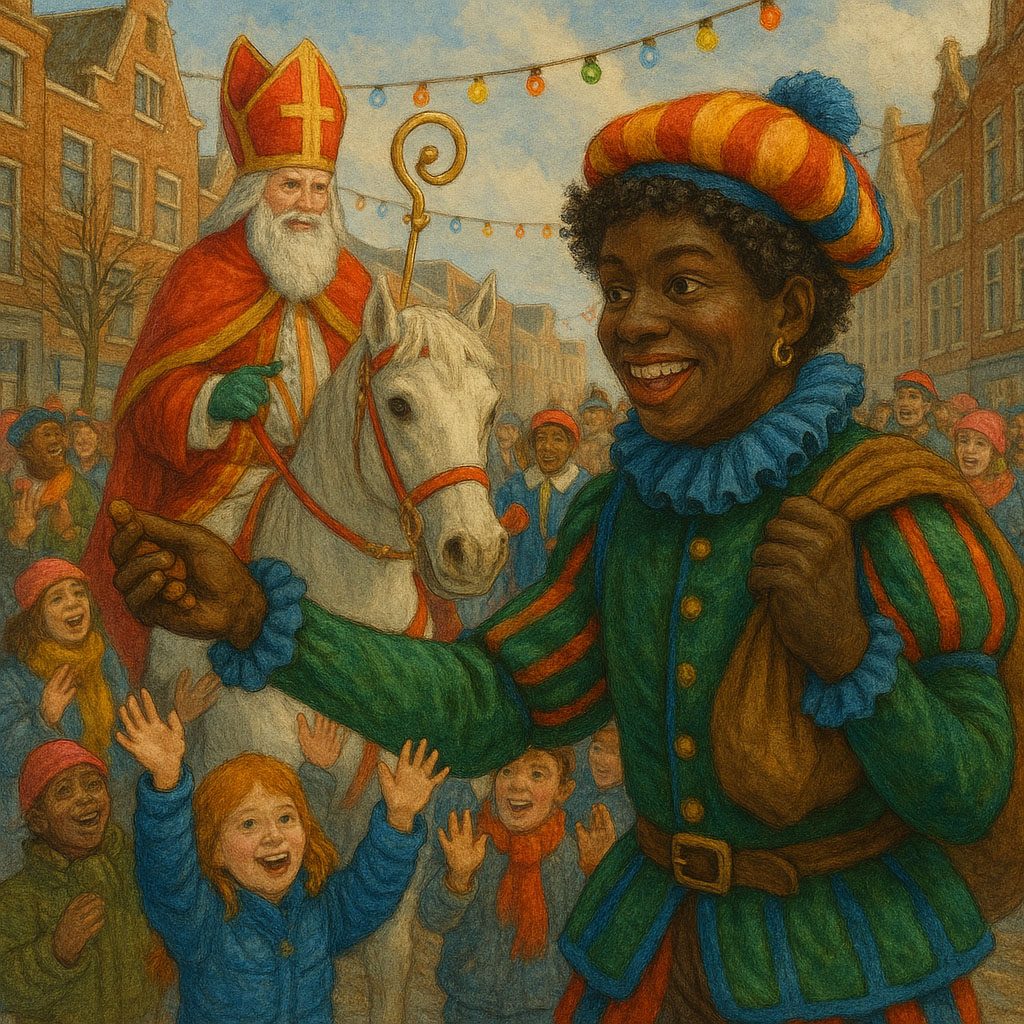
In the Netherlands and Belgium, the Christmas season is marked by the arrival of Sinterklaas accompanied by his helper, Zwarte Piet.
Historically depicted as a character with dark features, Zwarte Piet’s image has been a topic of controversy and intense debate in recent years.
Many communities are reimagining the character in ways that preserve the festive spirit while adapting to contemporary sensibilities about racial representation.
Despite the debates surrounding his portrayal, the character of Zwarte Piet remains an integral part of the traditional Sinterklaas festivities.
The evolution of the tradition illustrates the dynamic nature of cultural practices, where heritage and modern values can engage in constructive dialogue.
Today, many unusual Christmas markets in the region have reinterpreted the Sinterklaas parade, ensuring that the celebration remains inclusive and true to the spirit of the season.
For visitors, these markets offer a rich display of the Low Countries’ Christmas customs.
Beyond the procession, attendees can enjoy locally made sweets, crafts, and interactive displays that showcase how tradition can adapt in the face of modern challenges.
Unusual Christmas Markets: A Hub of Tradition and Artistry
No discussion of Europe’s unconventional holiday customs would be complete without mentioning the unusual Christmas markets that bring these traditions to life.
Unlike the polished, uniform markets seen in many global cities, these markets exude a rustic charm and vibrant regional flavor that reflect the unique cultural heritage of their locales.
In markets across Central and Eastern Europe, one can find stalls selling handcrafted decorations inspired by Krampus, while Catalan markets might feature ornaments and figurines dedicated to Caga Tió.
In Iceland, vendors offer goods that celebrate the dual nature of the Yule Lads and the eerie allure of the Yule Cat. Similarly, in Wales, artisans create pieces echoing the enigmatic Mari Lwyd, bridging past and present in every crafted item.
Beyond merchandise, these markets are social hubs where folklore is not only remembered but actively performed.
Live demonstrations, traditional music, and theatrical reenactments are common, allowing visitors an immersive experience into centuries-old customs.
Food also plays a significant role; regional specialties and festive treats mirror the culinary traditions intertwined with these unusual celebrations.
The warmth of locally made mulled wine, spiced pastries, and hearty stews provides comfort against the winter chill while encapsulating the spirit of the season.
The charm of these unusual Christmas markets lies in their authenticity and localized character.
They remind us that beyond the commercialization of the holiday season, there is a world rich with history and imaginative celebration.
For many travelers and locals alike, a visit to these markets becomes a journey into a more heartfelt and multifaceted Christmas experience.
Conclusion: Embracing Europe’s Rich and Unconventional Holiday Tapestry
The beauty of European Christmas traditions lies in their diversity. From the shadowy figure of Krampus enforcing moral lessons to the whimsical charm of the Caga Tió and the playful antics of Iceland’s Yule Lads, each custom offers a unique window into the cultural soul of its people.
Even in the face of modern controversies, as seen with the evolution of Zwarte Piet, these traditions adapt and endure, providing both locals and visitors with a deeper understanding of their shared heritage.
Unusual Christmas markets serve as the perfect backdrop to these stories.
They are living exhibits of regional culture, art, and history, where every stall, every performance, and every bite of food connects us to a past filled with wonder, myth, and community spirit.
As you wander through these markets, take a moment to appreciate the stories behind each character and each custom.
They remind us that the holiday season is not merely about commercial celebration, but about the rich tapestry of human creativity and cultural exchange—a tapestry that makes Europe’s Christmas traditions truly unforgettable.