Every year on January 6th, countries across Europe and Latin America burst into life with traditions that trace back hundreds of years.
Known as Three Kings Day or Epiphany, this celebration marks both a religious and cultural milestone that unites communities through processions, music, culinary delights, and shared history.
In this article, we explore the intriguing origins of the holiday and uncover how Spain, Italy, and several other nations honor the arrival of the Three Kings.
1. A Journey Through History: The Origins of Epiphany
Epiphany commemorates the visit of the Magi to the baby Jesus, symbolizing the revelation of the divine to the world.
While its religious significance is rooted in the Christian tradition, the celebration of Three Kings Day has evolved beyond a purely religious observance. It has come to embody a cultural celebration that unites people with shared traditions and communal festivity.
Early Christian communities and medieval societies embraced this day as a time for charity, reflection, and public celebration.
Over the centuries, various cultural influences have blended in, creating a tapestry of customs that make the holiday truly unique to each region.
The mix of folklore and ritual has ensured that Three Kings Day carries an enduring appeal—one that continues to evolve in our modern world.
2. Spain’s Colorful Cabalgatas: The Parade of the Kings

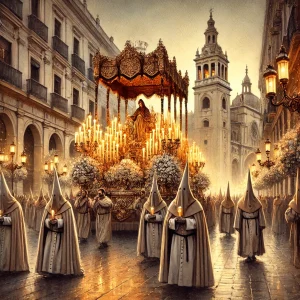
Few celebrations capture the spirit of Epiphany quite like the cabalgatas (parades) held in cities and towns across Spain. In the days leading up to January 6th, lively processions wind their way through the streets decorated with lights, music, and an undeniable festive air.
These parades, often featuring elaborate floats and costumed performers, bring to life the legendary journey of the Three Kings as they travel to deliver gifts.
The pinnacle of the celebration takes place on the eve of Epiphany. Fireworks light up the sky as children, buzzing with anticipation, await the arrival of the kings. During the parade, participants throw sweets and marzipan treats to the eagerly gathered crowds.
The tradition not only highlights the profound cultural meaning of the day but also injects it with an element of communal joy and generosity.
The Spanish tradition elegantly marries religious observance with a festive carnival atmosphere.
Families share the opportunity to indulge in richly layered pastries, such as the famous Roscón de Reyes, a sweet bread crowned with candied fruits that symbolize the jewels adorning the crowns of the ancient kings.
3. Italy’s La Befana: A Twist on Traditional Gift-Giving
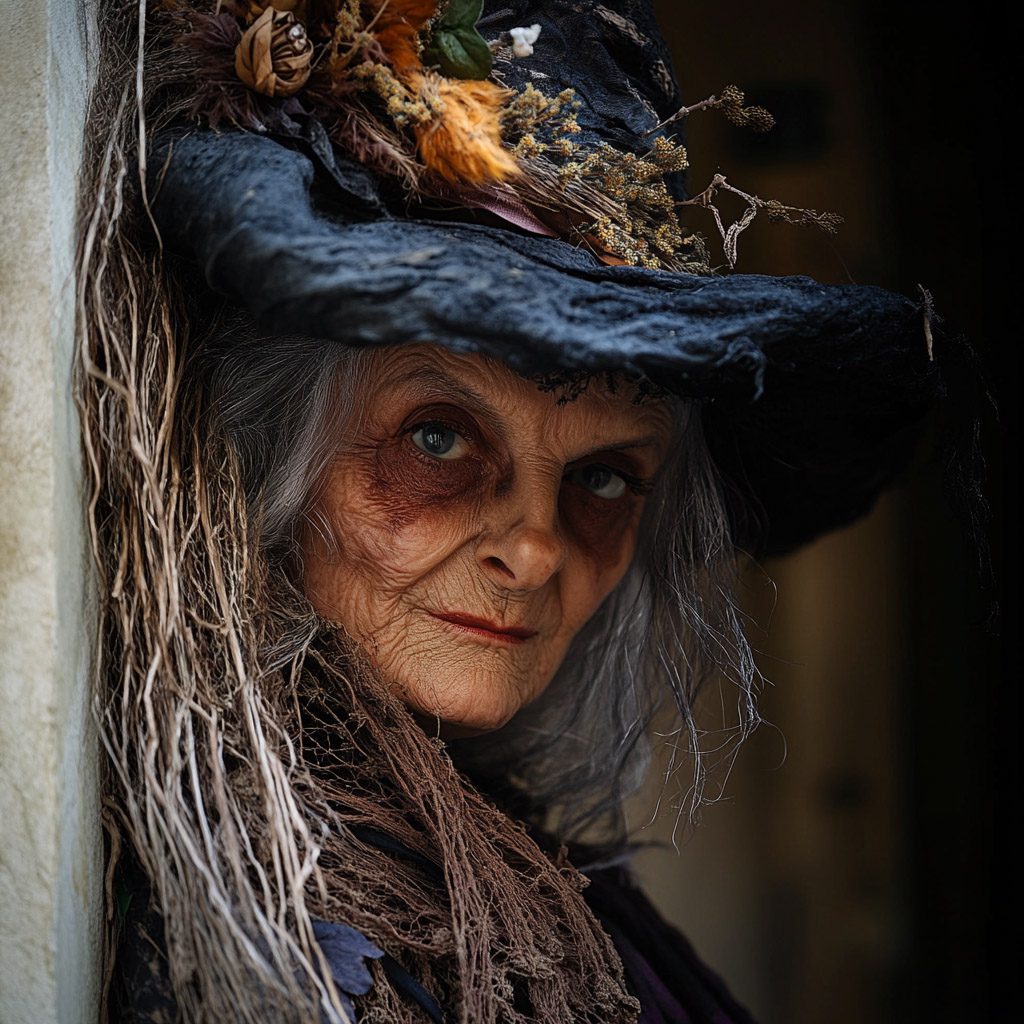
In Italy, the celebration of Epiphany takes on a slightly different flavor through the tale of La Befana.
According to folklore, this kindly old woman visits homes on the night of January 5th, delivering small gifts to good children while leaving a lump of coal for those who have been naughty.
This endearing twist on the Three Kings tradition has roots in pre-Christian mythology and was later integrated into the Christian epiphany narrative.
La Befana’s character is both mysterious and endearing—a symbol of the wisdom and unpredictable nature of fate.
Italians celebrate her arrival with special processions, community activities, and family gatherings.
Markets brim with artisanal goods and local delicacies as shops extend their hours, allowing residents and visitors to revel in a sense of shared community spirit.
Beyond the festive ambiance, the story of La Befana carries a moral lesson about kindness, repentance, and the promise of renewal in the new year.
Families gather to share stories and indulge in pastries and roasted chestnuts, blending the ancient with the modern in a celebration that is as much about reflection as it is about joy.
4. Celebrations Beyond Europe: Epiphany in Latin America and Other Regions
While Spain and Italy hold distinguished places in the heritage of Three Kings Day, various Latin American countries have embraced the holiday with their own rich and diverse customs.
In countries like Mexico, Puerto Rico, and Venezuela, Epiphany is celebrated with parades, reenactments, and communal feasts that showcase indigenous influences alongside European traditions.
In many Latin American communities, the holiday is marked with street fairs, improvised theatrical plays, and impassioned public gatherings. Music forms a significant part of these celebrations—traditional ballads intermix with modern tunes as people dance through the night.
Families often exchange homemade treats and small gifts, transforming the ritual into an occasion centered on generosity, unity, and cultural pride.
In some regions, the day is even celebrated as a symbol of hope and renewal. For instance, in parts of South America, communities partake in charity events and social outreach programs, encouraging neighbors to support those in need.
This fusion of celebration and community service gives Epiphany a contemporary resonance, making the ancient holiday relevant in today’s fast-paced world.
5. Beyond the Parades: Unique Traditions From Around the World
The allure of Three Kings Day lies in its ability to absorb and transform various cultural customs. In some parts of Europe and the Americas, the holiday melds religious, mythological, and local traditions into unique festive expressions.
Markets filled with handmade crafts and local delicacies remind us that Epiphany is equally about cultural preservation as it is about celebration.
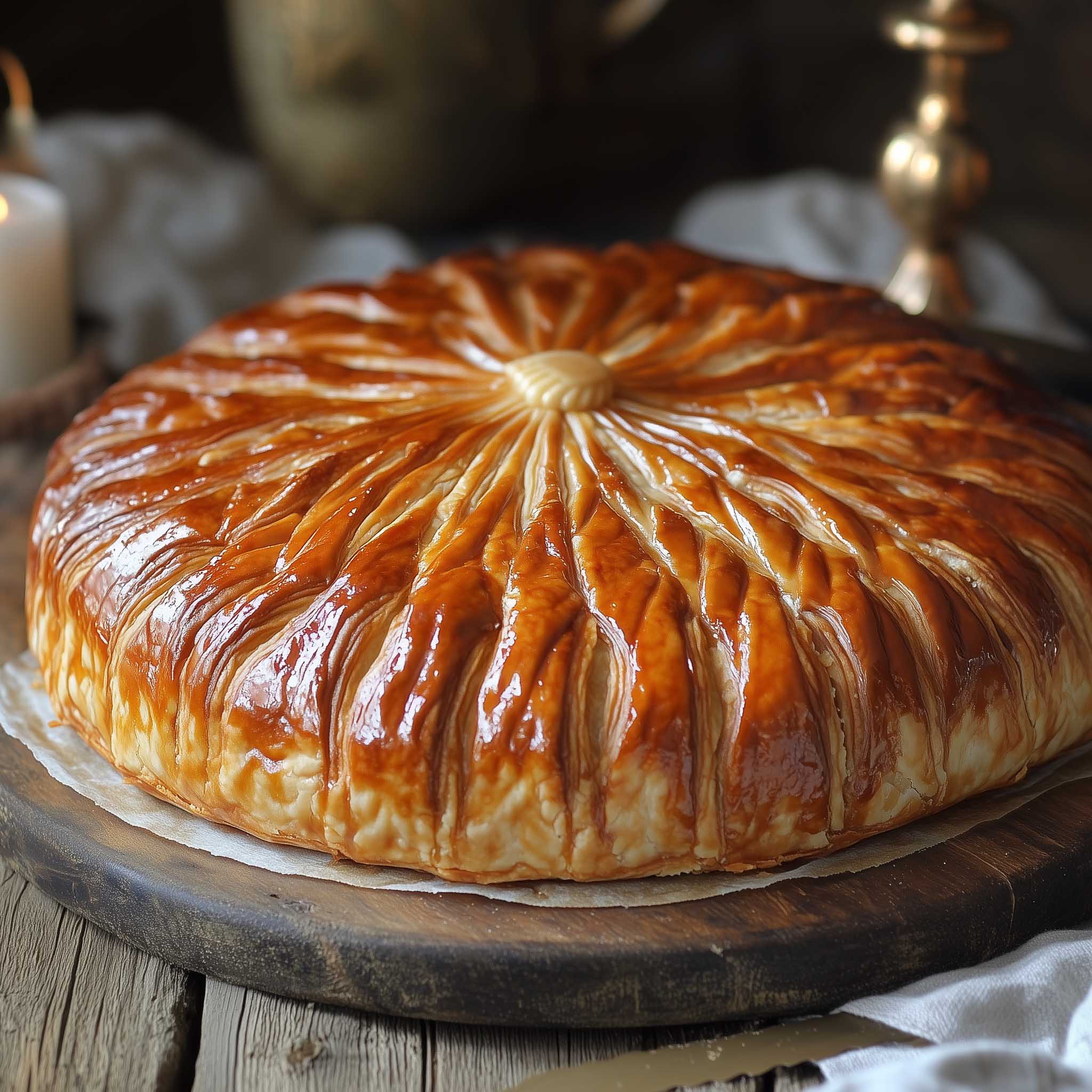
For example, in certain regions of France, the day marks the end of the Christmas season with a special kind of cake—the Galette des Rois.
Hidden inside the cake is a charm or figurine, and tradition dictates that the person who finds it is crowned king or queen for the day. Such customs highlight the playful ingenuity that communities use to engage both young and old.
Meanwhile, in Greece, the feast of Theophany, another term for Epiphany, is observed with the traditional blessing of waters. Priests perform rites at seashores, rivers, and lakes, symbolically blessing the bodies of water—vital for life and agriculture.
The immersion ceremonies and the subsequent retrieval of a cross from the water are moments of spiritual renewal and collective gratitude.
These varied customs underline one central theme: the importance of coming together, sharing, and preserving traditions that bind communities, regardless of geographical boundaries.
Each country thus contributes its own chapter to the larger story of Epiphany, making the holiday a dynamic festival that evolves while staying rooted in history.
6. The Modern Renaissance of Ancient Traditions
In today’s digital age, the commemoration of Three Kings Day has experienced a renaissance. Modern celebrations continue to honor age-old customs while incorporating new elements that reflect contemporary life.
Social media, live broadcasts, and interactive community events bring the festive spirit of Epiphany to an ever-widening audience.
Contemporary organizers are embracing technology to enhance traditional experiences. For instance, many cities now livestream their parades so that people from around the world can participate in the celebration virtually.
Interactive online maps and mobile apps provide updates, schedules, and historical insights, making the holiday accessible to a global audience.
In addition, modern reinterpretations of the holiday are fostering cross-cultural exchanges. Community centers host workshops where participants can learn about traditional crafts, cooking techniques, and folk dances associated with Epiphany.
Such initiatives help preserve the cultural significance of the day while inviting younger generations to take pride in their heritage.
The blend of history and innovation lends Three Kings Day a dual character—one that is both timeless and adaptable.
As communities worldwide embrace the past and nurture the future, the spirit of Epiphany continues to inspire hope, creativity, and unity.
Conclusion: Embracing the Magic of Three Kings Day
Three Kings Day stands as a testament to the enduring power of tradition, faith, and community.
Whether it is the spectacular parades in Spain, the cherished lore of La Befana in Italy, or the vibrant celebrations across Latin America and beyond, Epiphany resonates with a universal message of hope and renewal.
In a world that is continuously evolving, the festival reminds us of the importance of preserving cultural heritage while simultaneously welcoming modernity.
It is a day where history comes alive, inviting communities to reflect on their past and celebrate the promise of a brighter future.
As we celebrate Three Kings Day, we experience not only a religious event but also a cultural phenomenon that unites disparate traditions under one common theme.
It is the celebration of light, revelation, and unity—values that continue to inspire and guide us, generation after generation.