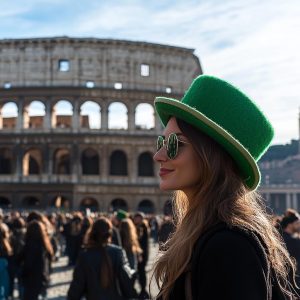
Every February, Europe comes alive with flamboyant festivities, colorful costumes, and timeless traditions as carnival celebrations spread their magic from the winding canals of Venice to the grand rivers of the Rhine.
In this article, we explore a selection of unique and captivating carnival events that offer both history and exuberance.
Whether you’re a first-time visitor or a seasoned traveler, these celebrations provide unforgettable cultural and artistic experiences.
1. Venice Carnival: A Masked Wonderland
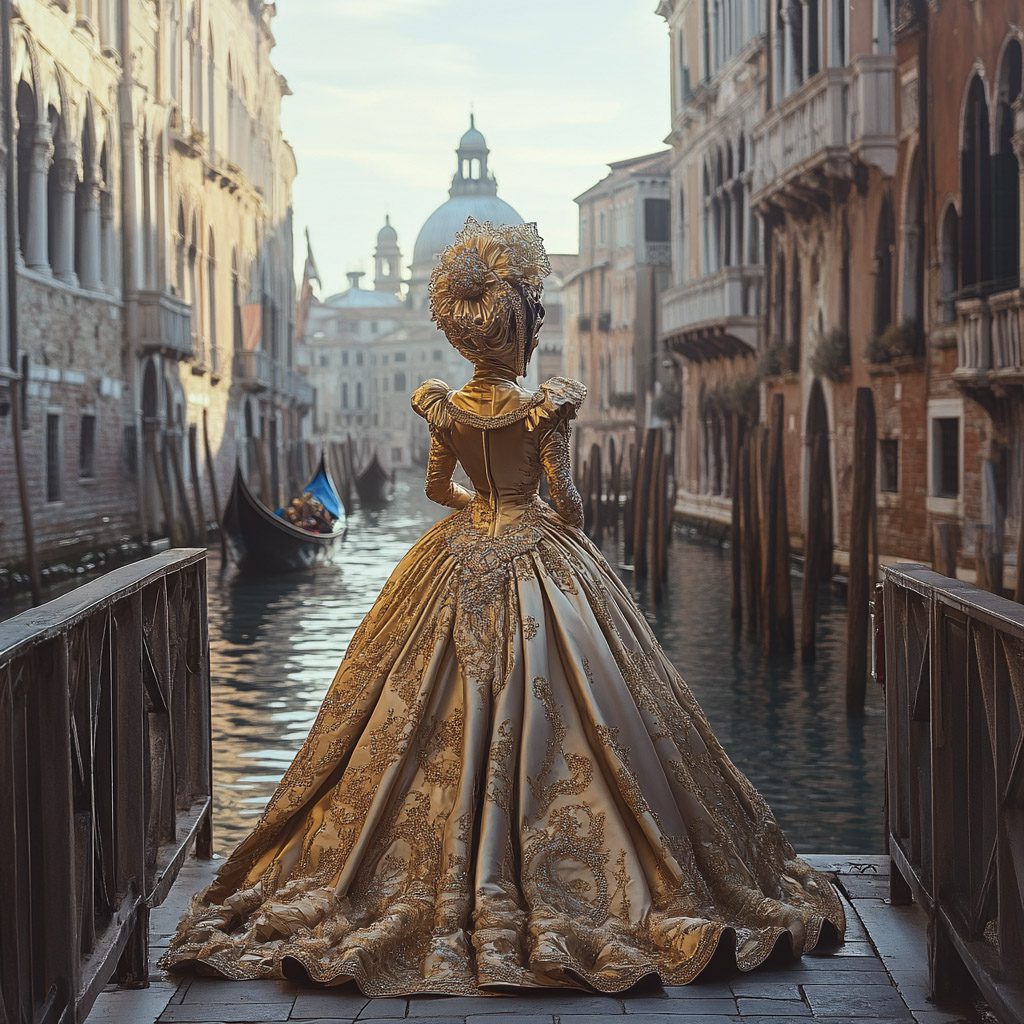
The Venice Carnival is renowned for its intricate masks, elegant costumes, and mysterious allure.
With roots extending back centuries, the celebrations transform the city into an enchanting stage where history, art, and theater intersect.
Visitors are invited to wander down narrow alleys, enjoy masked balls in opulent palazzos, and experience theatrical performances along the canals.
Traditionally, the carnival culminates in a series of grand balls hosted in historic palazzos.
The elaborate costumes are more than just attire; they are works of art painstakingly crafted by skilled artisans.
In Venice, every mask tells a story, reflecting centuries of artistic and cultural tradition.
The atmosphere is both surreal and electric—a dreamlike interlude that blurs the lines between reality and fantasy.
2. Cologne Carnival: Germany’s Rhine Revelry
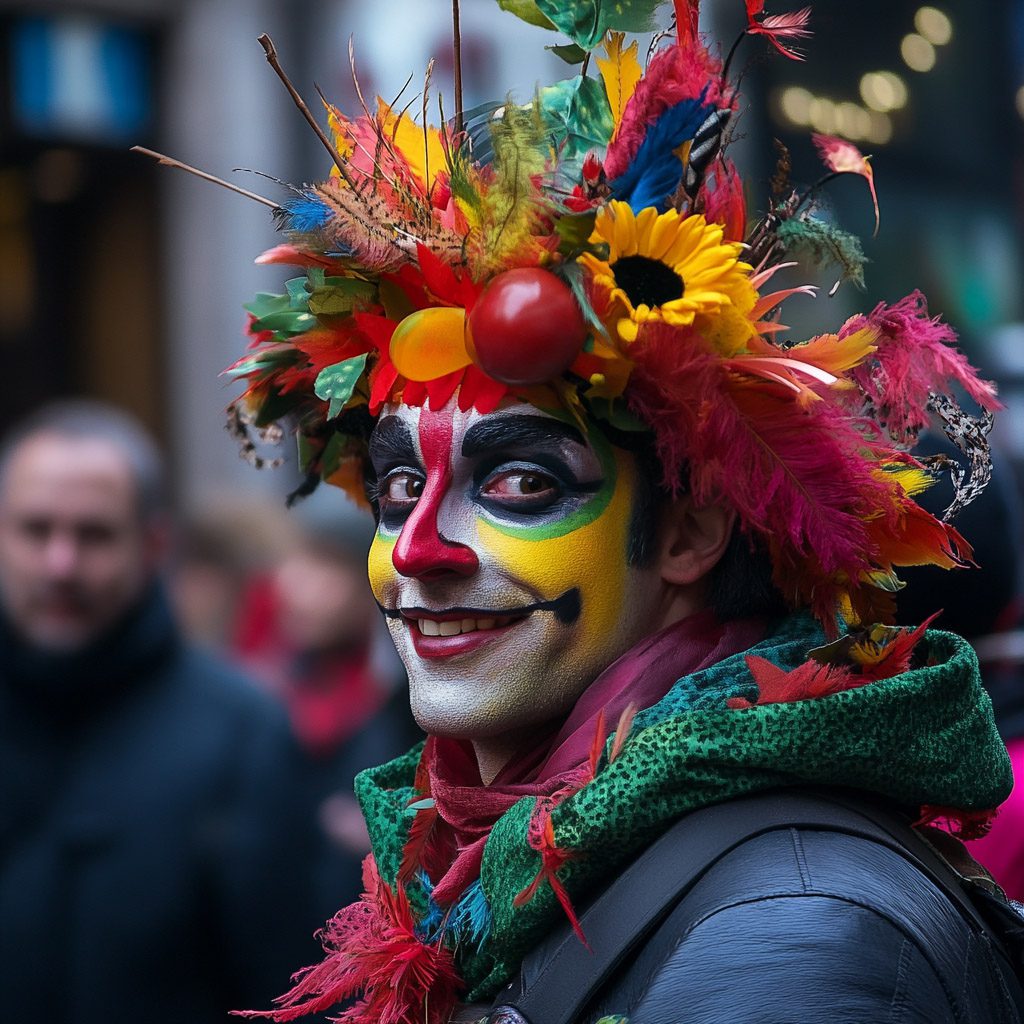
Just a short journey away from the romantic allure of Venice lies Cologne Carnival—a riotous and exuberant celebration along the banks of the Rhine.
Known locally as “die fünfte Jahreszeit” or the “fifth season”, this event is one of the most spirited and inclusive carnivals in Europe.
For several days, the city is transformed into a stage for parades, street performances, and quirky traditions that showcase the lively spirit of the region.
In Cologne, revelers from all walks of life take to the streets in an explosion of color and music.
The festivities include humorous speeches, creative floats, and an endless parade of costumes designed to reflect satire and social commentary.
The carnival offers a fascinating glimpse into the local culture of the Rhine region, making it a must-see for those looking to immerse themselves in authentic German festivity.
3. Nice Carnival: A French Extravaganza on the Riviera

Although the focus is often on the iconic celebrations in Venice and along the Rhine, the Nice Carnival in France offers its own distinct spirit that cannot be ignored.
Set against the backdrop of the sparkling French Riviera, Nice transforms into a citywide stage where extravagant parades and floral battles captivate visitors.
The parades in Nice are famous for their highly creative “Bataille de Fleurs” (battle of flowers), where vibrant floats are adorned with cascading blossoms.
It’s an awe-inspiring spectacle that combines art, nature, and tradition in a vibrant tableau.
This carnival is not just a celebration; it is a living canvas that showcases the spontaneity and artistry of the French spirit.
4. Basel Fasnacht: A Unique Swiss Experience
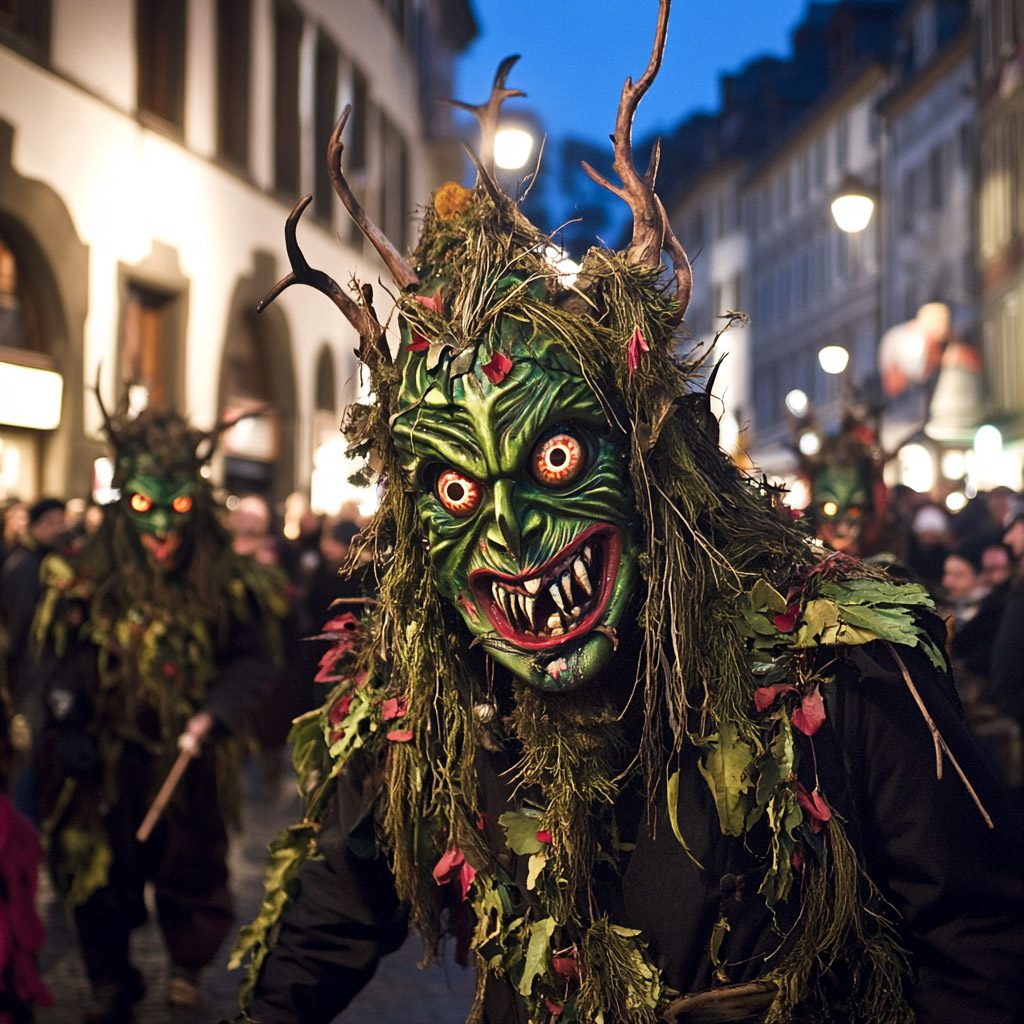
While Basel Fasnacht technically begins on the Monday after Ash Wednesday, its early reminisces and related events in February set the stage for an immersive carnival experience.
Basel’s carnival is known for its intense, avant-garde style that blends mysterious lantern-lit processions with musical performances that echo through the centuries-old streets.
One of the most intriguing aspects of Basel Fasnacht is its burning candles and intricately designed masks.
Every alleyway and public square becomes a canvas for artistic expression.
The carnival’s unique character lies in its somber yet celebratory tone—a reflection of Switzerland’s deep-rooted traditions and modern artistic expressions.
Those attending Basel Fasnacht will find themselves swept up by an atmosphere that is equal parts introspective and exuberantly festive.
5. Binche Carnival: The Heartbeat of Belgian Tradition
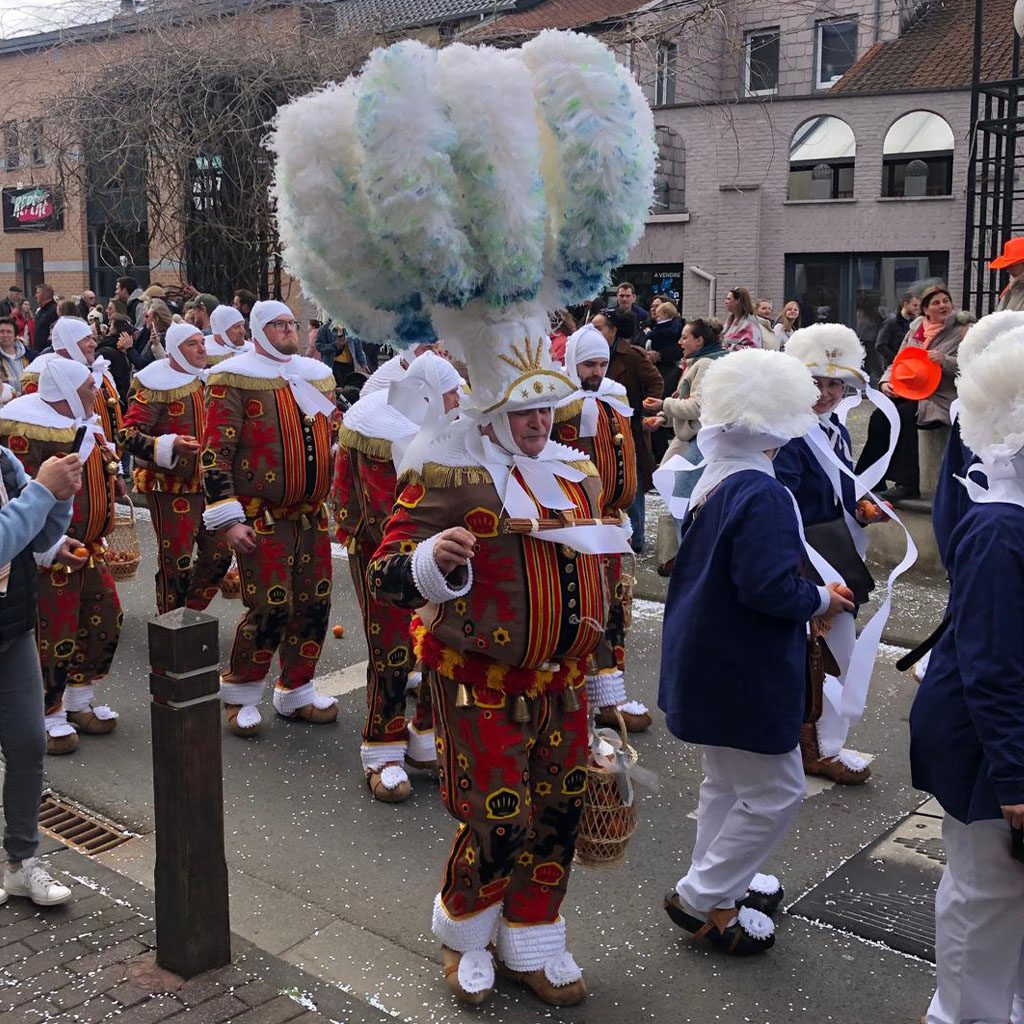
Recognized by UNESCO for its cultural significance, the Binche Carnival in Belgium is another extraordinary celebration that captivates audiences with its mix of ancient customs and playful revelry.
The carnival is steeped in local folklore, with participants donning traditional costumes and engaging in elaborate dances that have been passed down through generations.
The Binche Carnival is most famous for the “Gilles,” who wear elaborate costumes, including wax masks and ornate headdresses.
These figures perform ritualistic dances and symbolic acts that are deeply intertwined with the region’s identity.
The event not only highlights the rich heritage of Belgium but also serves as a reminder of how cultural practices can unite communities in honor of time-honored traditions.
6. Mainz Carnival: The Spirit of the Rhine
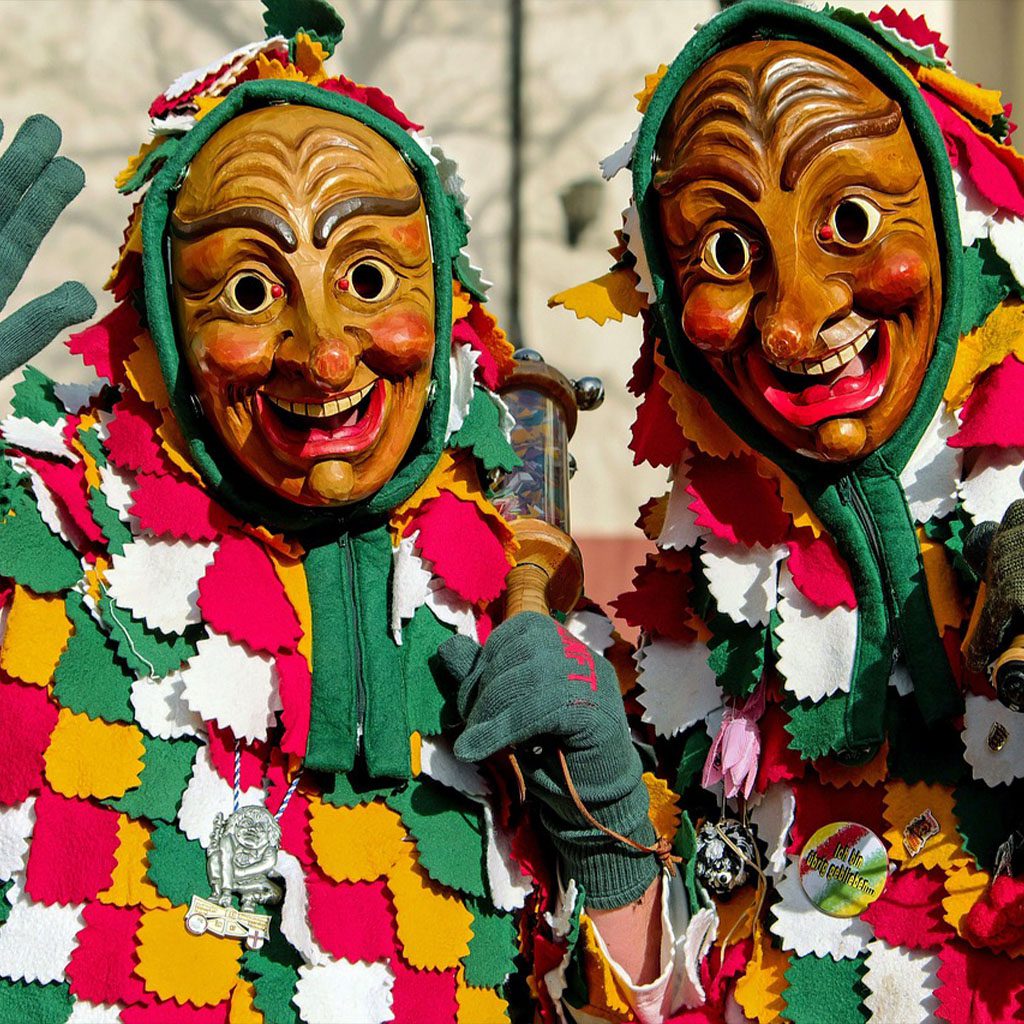
Mainz, a city steeped in history along the Rhine River, hosts one of the most dynamic carnival celebrations in Germany.
The Mainz Carnival is marked by an electrifying mix of traditional parades, satirical performances, and community gatherings that invite everyone to join in the celebration.
In this city, the carnival is more than just a festivity; it’s a social commentary masked in humor and artistic flair.
The processions feature elaborate floats, comically exaggerated characters, and performances that often poke gentle fun at current events.
Mainz Carnival is a time when citizens and visitors alike cast off daily routines to embrace a duality of mystery and merriment.
The carnival serves as a reminder that even in times of adversity, humor and creativity can unite a community.
7. Unique Insights into European Carnival Traditions
While each carnival has its own signature flair, several common elements unite European celebrations during this festive period. Music, dance, and lavish costumes are central themes that not only provide entertainment but also serve as gateways to understanding the history and values of each region.
Moreover, many carnival traditions are deeply connected with seasonal rituals, particularly the eve of Lent in Christian calendars.
This juxtaposition of grandeur and transience allows for a unique exploration of themes such as transformation, renewal, and the blurring of societal boundaries.
Whether it’s through the arts or through communal gatherings, the carnival season in Europe offers a rare opportunity to witness centuries-old customs reinvented for modern audiences.
8. Planning Your Carnival Journey
Embarking on a trip to attend one or more of these carnivals requires careful planning and consideration.
When scheduling your visit, keep in mind that these events often draw large crowds, so booking accommodations well in advance is advisable.
Research local customs and events to ensure that you have the opportunity to experience the full spectrum of activities, from international parades to intimate local traditions.
For many travelers, the best approach is to immerse themselves fully in the local culture.
This might include participating in workshops on mask-making, attending traditional music performances, or even trying regional cuisines that are specially prepared during the carnival season.
By making a conscious effort to engage, visitors often find that the carnival experience transcends mere entertainment and becomes a deeply enriching cultural adventure.
9. The Impact and Legacy of Carnival Celebrations
Carnival celebrations in Europe are more than fleeting moments of revelry—they are living embodiments of regional heritage and communal identity.
The passion and commitment that go into organizing these events are a testament to the enduring power of tradition.
Through elaborate parades, theatrical performances, and communal gatherings, attendees not only celebrate life but also pay homage to a rich history that continues to inspire future generations.
For local communities, carnival season is a time of reflection and renewal, where age-old customs merge with modern creativity.
Each celebration carries the legacy of its past while eagerly embracing the possibilities of the future.
From the artistic masterpieces on display in Venice to the exuberant street festivities along the Rhine, these carnivals forge a connection between tradition and innovation that resonates deeply with audiences worldwide.
10. Embracing the Carnival Spirit All Year Round
Even after the final float has rolled by and the last masked reveler has taken their bow, the spirit of carnival endures.
Many cities choose to extend the magic of the season by hosting cultural events, exhibitions, and music festivals that honor the traditions of their carnival.
These follow-up events provide ample opportunities for both residents and tourists to keep the festive energy alive throughout the year.
For history enthusiasts and culture aficionados alike, the celebration of carnival is a reminder of the artistic and societal bonds that unite us.
By cherishing these traditions, communities across Europe continue to create spaces where joy, creativity, and the human spirit shine brightly—long after the confetti has settled.
Whether your journey leads you to the enigmatic allure of Venice’s masked balls or to the rowdy, heartfelt celebrations along the Rhine, the carnival season in Europe remains an invitation to witness the intersection of art, history, and human connection.
The magic, mystery, and sheer exuberance of these festivities beckon travelers to step out of the ordinary and into a world where every street corner tells a story.