Every autumn brings a wealth of traditions and celebrations around the world, yet one festival remains quietly extraordinary.
St. Martin’s Day offers an enchanting mix of folklore, community spirit, and seasonal delights.
In this article, we uncover the lesser-known facets of this festive day and explore the ancient history, quirky customs, and modern revival of St. Martin’s Day.
1. Discovering the Legend Behind St. Martin
The story of St. Martin is steeped in history and myth. Traditionally a revered saint, his acts of compassion and charity have become a symbol of the season.
According to legend, a young Martin once shared his cloak with a beggar in need during a bitter winter’s night.
This story of selflessness gradually transformed into a celebration of light within darkness, marking the transition from summer to autumn.
For centuries, local communities have retold this myth, often incorporating dramatic re-enactments that blend historical narrative with festive performance.
The legend has evolved to remind us that generosity, even in the smallest gestures, holds the power to change lives—a timeless lesson that resonates with many, regardless of the season.
The symbolism of sharing warmth, kindness, and a piece of one’s heart during colder months adds a layer of depth to the celebration.
The legacy of St. Martin beckons us to look inward and reflect on the importance of giving, making the festival as much about personal growth as it is about communal festivity.
2. The Origins and Historical Context of the Celebration
St. Martin’s Day is not just a religious observance; it is a window into medieval Europe and its cultural tapestry of interlinked pagan and Christian traditions.
Celebrated on November 11th, the day originally signified not only the memory of a saint’s benevolence but also the harvest season.
Early European agrarian communities used the day to mark the end of summer, a time when people counted their blessings and prepared for the coming winter.
Historically, the evolution of this celebration is fascinating. Initially tethered to military traditions and even marking a temporary armistice in some regions, it soon morphed into a community-wide holiday where bonfires, processions, and feasts played a crucial role.
These elements helped the people connect with one another during challenging times, creating bonds that transcended daily hardships.
The layers of historical relevance are imbued in every ritual performed on St. Martin’s Day today, making it a living museum of folklore and social unity.
From medieval pilgrimages to family gatherings, the day stands as a testament to resilience and the enduring human spirit.
3. Traditional Celebrations: A Journey Through Europe
In modern times, St. Martin’s Day is celebrated across various European countries in remarkably diverse ways.
In the Netherlands, children parade through streets carrying lanterns in elaborate processions, singing traditional songs; in Germany, communities light fires and hold large feasts, while in France, bonfires and torchlit walks evoke the ancient spirit of the day.
What unites these disparate celebrations is a theme of communal togetherness and gratitude. Many towns feature street markets with local crafts and seasonal foods, turning the event into a vibrant display of local culture.
The lantern processions, in particular, have become symbolic of hope, shining through the encroaching darkness of the winter season and confirming that even in the coldest times, light and community prevail.
The regional variations are both charming and insightful. They reveal how distinct communities embrace their heritage with pride while adapting rituals to modern sensibilities.
Each celebration, whether modest or grand, plays an integral role in preserving cultural diversity as well as unifying communities under a banner of shared joy and remembrance.
4. Festive Foods: Culinary Traditions of St. Martin’s Day
No autumn celebration is complete without a feast that satisfies both the body and spirit. St. Martin’s Day is famous for its array of seasonal foods that evoke the rich tastes of fall.
One finds hearty stews, roasted chestnuts, and warm spiced beverages that are deeply rooted in the traditions of harvest and gratitude.
Across regions, specific dishes lend individuality to the celebration. In some areas, freshly baked bread shaped like a lantern is commonly shared among friends and neighbors, symbolizing warmth and unity. In others, local recipes passed down through generations provide a taste of history on every plate.
The slow-cooked meats and root vegetables not only comfort during the cold weather but also signal an end to the harvest season with a sense of finality and fulfillment.
The preparation and the sharing of these foods create an atmosphere where the culinary arts act as a bridge between past and present. Family recipes are meticulously guarded and passed on, ensuring that every bite is as much a cultural statement as it is a meal.
This gastronomic journey reflects the blend of tradition and innovation, showcasing the innate human desire to celebrate life’s every flavor.
5. The Symbolism of Lanterns: Lighting the Way to Community and Hope
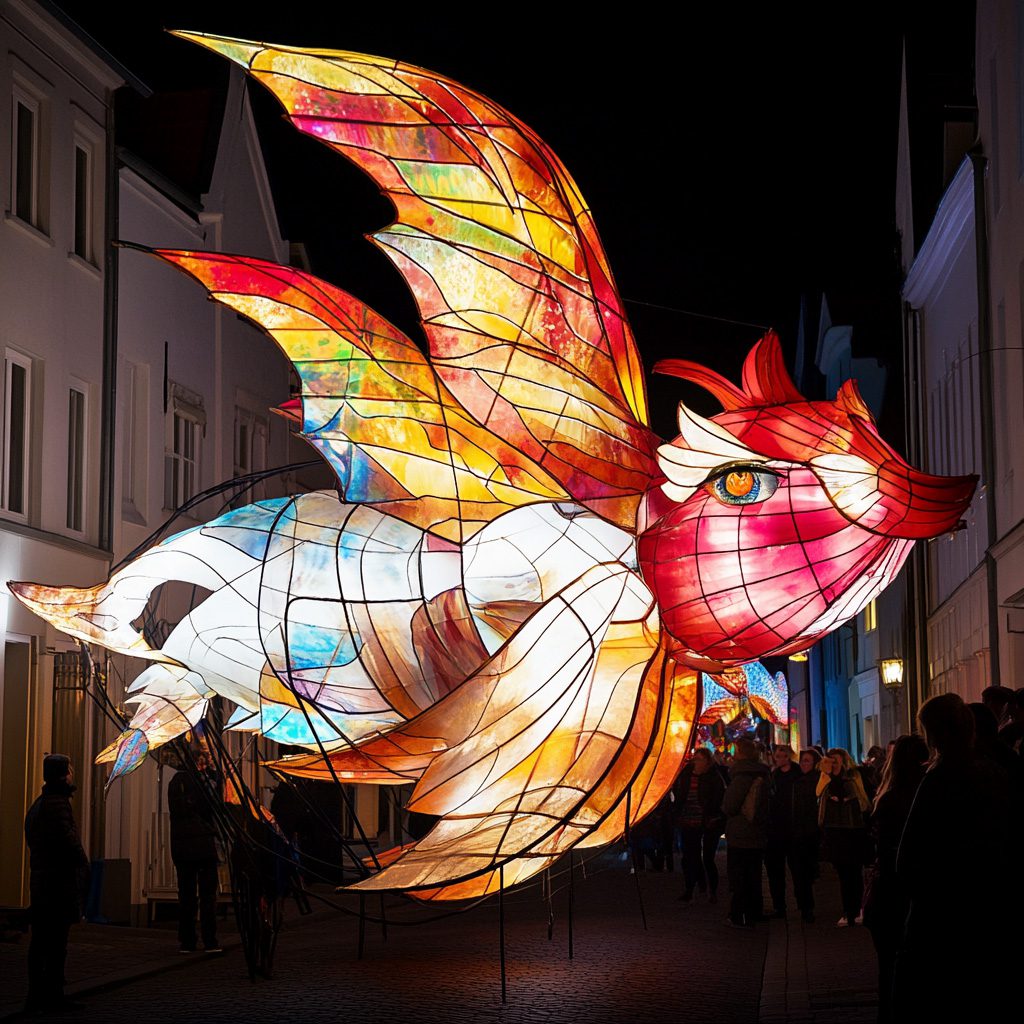
One of the most arresting features of the festival is the iconic lantern procession. Lanterns are not mere decorative items; they are powerful symbols representing hope, continuity, and the light that persists even in darkness.
The act of carrying a lantern during St. Martin’s Day is metaphorical, signifying that everyone carries a light within, capable of guiding both themselves and others through life’s challenges.
Traditionally handcrafted from paper and wood, these lanterns have evolved into creative expressions of personal artistry.
Children craft them with care, their designs ranging from simple to intricate, thereby connecting modern generations with time-honored practices. The lantern’s glow spreads a message of unity and shared warmth amid the crisp autumn air.
This tradition extends beyond aesthetics—it is a call to remember that, regardless of the fading summer, the spirit of community and kindness continues to burn brightly.
Each illuminated parade not only marks the physical transition into colder days but also stands as a ritual reaffirming hope and the endless human capacity for creativity and communal solidarity.
6. Modern Adaptations: Breathing New Life Into an Ancient Tradition
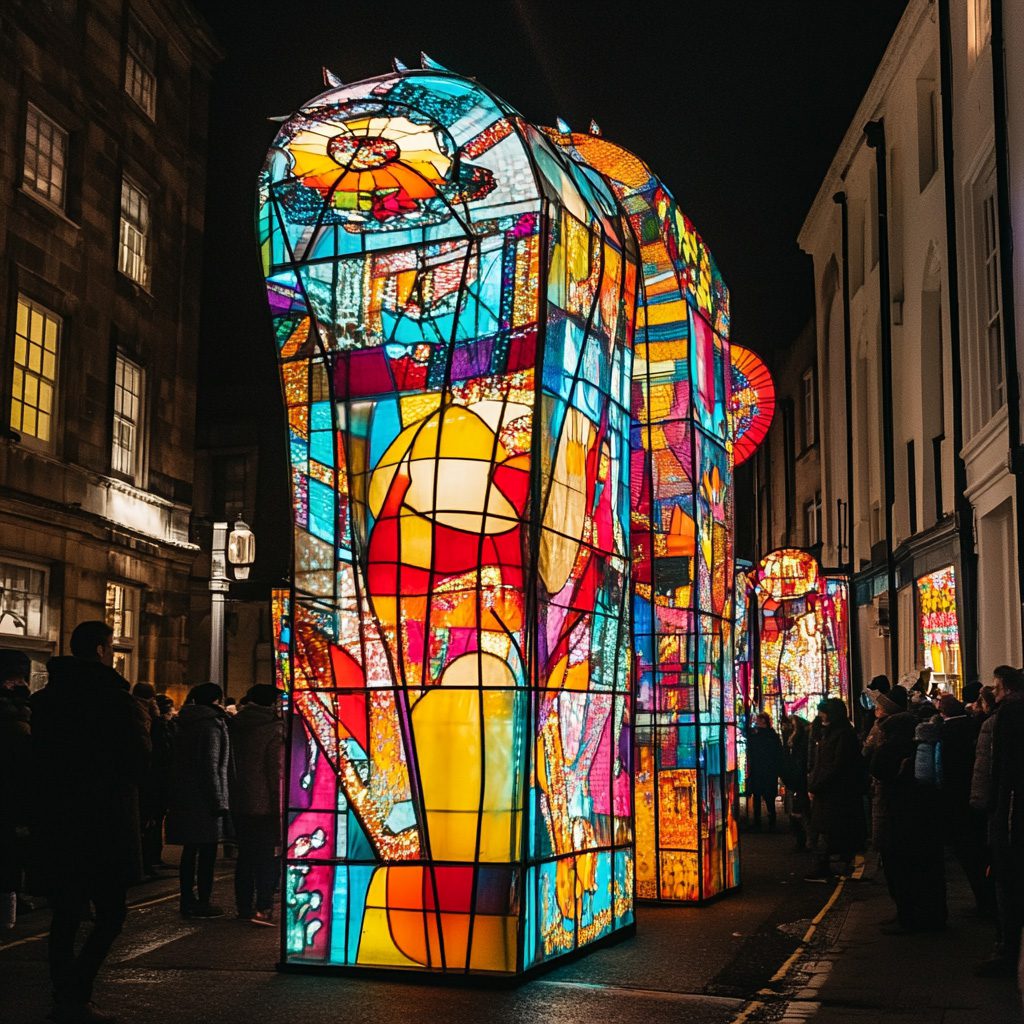
As with many age-old celebrations, St. Martin’s Day has witnessed modern adaptations intended to resonate with contemporary audiences.
Urban communities are reinterpreting the event by integrating modern art installations, multimedia presentations, and interactive activities into the traditional framework.
The goal isn’t just to preserve history but to make it relevant in today’s fast-paced world.
Workshops on lantern-making, historical storytelling sessions, and community art projects have become integral parts of modern festivities. These creative initiatives ensure that the younger generation not only understands the meaning behind the celebration but also takes pride in contributing to its evolution.
The celebration, therefore, becomes a living narrative—where ancient customs meet modern flair.
The digital era has also allowed communities from different parts of the world to share their unique ways of observing St. Martin’s Day. Social media platforms burst with images and stories that capture both the profound heritage and the inventive spirit of the festival.
Virtual tours, online live streams of parades, and interactive digital timelines have transformed the festival into an inclusive event that crosses geographical boundaries.
This blend of tradition and modernity rejuvenates the age-old tales of heroism, compassion, and community.
It demonstrates that while the medium may change, the message remains unchanged: a celebration of light in the midst of darkness, and a tribute to the enduring values that continue to unite us all.
Conclusion: Embracing the Spirit of St. Martin’s Day
St. Martin’s Day is much more than an autumn festivity—it is a tapestry woven with threads of history, compassion, and creativity. From its medieval origins and vibrant local customs to its modern reinterpretations, the celebration offers an inclusive experience that honors both the past and the present.
It encourages communities to come together, share warmth and light, and embrace the timeless virtue of generosity.
Whether you have a personal connection to the legend or are newly intrigued by its charm, exploring St. Martin’s Day opens a gateway to understanding the deeper meanings behind everyday traditions.
As the autumn leaves fall and the night grows longer, the glowing lanterns remind us that no darkness is insurmountable when we carry light within ourselves and share it with others.
Immerse yourself in this captivating celebration, and perhaps, create a tradition of your own that echoes the enduring spirit of St. Martin’s Day.