
Every year, as the month of May unfolds its vibrant hues, communities across Europe step into centuries-old traditions and reinvent them for modern audiences.
What began as ancient pagan ceremonies celebrating the arrival of spring and fertility has evolved into an array of cultural events.
Today, Happy May Day and other monthly holidays fill towns with music, dance, parades, and a spirit of renewal.
In this in-depth exploration, we journey from the origins of these customs to their modern counterparts, highlighting the diversity of May celebrations, May Day events, and unique traditions that weave the social fabric of Europe.
Ancient Roots: Pagan Origins and the Celebration of Spring
The month of May has long been recognized as a time of transformation and replenishment. In ancient pagan traditions, the vernal equinox was a pivotal moment marking the waning of winter’s grip and the blossoming of new life. Early European societies celebrated fertility, nature’s rebirth, and the promise of a bountiful harvest through rituals, feasts, and communal gatherings.
These events often included the symbolic weaving of floral crowns, the dancing around maypoles, and the exchange of simple tokens representing the earth’s rejuvenation. The tradition of decorating with blossoms and greenery was both a nod to nature’s bounty and a way to ward off misfortune. Celebrations in May were not merely festivities—they were rites of passage, affirming the interconnection between human life and the rhythms of nature.
The Transformation: From Rituals to Modern Festivities
As centuries passed, the balance between organized religion and local tradition shifted. Many of the pagan symbols were absorbed into religious and later secular celebrations. The modernization of May Day traditions did not erase their historical footprints but rather transformed them into a celebration that was inclusive, communal, and adaptable to changing times.
Today, Modern May Day celebrations have become a vibrant blend of ancient customs and contemporary values. Across Europe, these events emphasize community spirit, cultural pride, and sometimes even political demonstration. In many circles, May Day transcends its historical context to become a day of peace, labor rights, or simply seasonal merriment.
Country-Specific May Day Traditions Across Europe
One of the most delightful aspects of May celebrations is the diversity of traditions found throughout Europe. While the underlying theme is one of renewal and festivity, local customs imbue each celebration with a unique character.
Central Europe: Poland, Germany, and the Maypole
In countries such as Germany and Poland, the maypole stands as a central figure in May celebrations. The maypole, decorated with ribbons, flowers, and sometimes even small figurines, is set up in community squares. Dressed in traditional attire, villagers gather around it to dance and perform folk songs that have been passed through generations.
In Poland, for instance, the celebrations reach a crescendo with community feasts and lively music. These events are an homage not only to the arrival of spring but also to regional history and folklore. German May Day festivities similarly combine folk traditions with a modern zeal, showing how ancient symbolism continues to foster communal bonds.
Scandinavian Flair: Revelry Under the Midnight Sun
Up in Scandinavia, the approach to May celebrations is distinctly influenced by the long, luminous days of spring. In Sweden and Finland, festivities are characterized by outdoor events that extend late into the night, with bonfires, picnics, and sometimes even traditional singing competitions.
These Nordic countries have embraced the natural phenomenon of the midnight sun as a reason to celebrate life and light. The modern take on Happy May Day here is both contemplative and exuberant, blending the rare beauty of arctic spring with time-honored fare that pays credit to nature’s cyclical rebirth.
Southern Europe: A Fusion of Celebration and Leadership
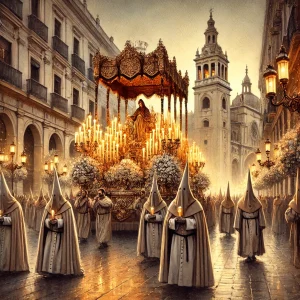
In Southern European countries such as Spain and Italy, the celebrations in May merge solemn history with festive modernity. In Spain, traditional street fairs and parades commemorate the feast day of Saint Joseph, blending religious reverence with the universal theme of spring renewal. Colorful processions, accompanied by lively music and impromptu street performances, transform city centers into hubs of cultural exchange.
Italy, renowned for its rich regional diversity, celebrates May through local festivals that often celebrate patron saints and seasonal harvests. In some regions, the festivities include art exhibitions, poetry readings, and theatrical performances—an artistic nod to the historical significance of the month as a time of rebirth and creation.
Eastern Europe: Historical Roots and Contemporary Messages
Eastern Europe, where the scars of past conflicts are met with resilient traditions, finds in May Day screenings a symbol of unity and renewal. Here, celebrations in May often intersect with political overtones, manifesting as demonstrations for workers’ rights, peace marches, or public debates on historical memory.
The blend of historical narratives and modern democratic ideals reinforces the cultural significance of monthly holidays. Such events remind the public that while the origins of May Days are ancient, their messages are as current as the issues that challenge today’s societies.
Modern Interpretations: Community, Activism, and Art
As we traverse from the ancient to the contemporary, a recurring theme becomes clear: the celebration of life. Modern May Day events, from art festivals to labor rights marches, continue to advocate for the core values of renewal, solidarity, and transformation.
In several European cities, community organizers have elevated May Day into a broader cultural spectacle. Contemporary artists, designers, and musicians incorporate elements of tradition into their work, reinterpreting symbols like the maypole and floral wreaths in innovative ways. This creative energy transforms the event into a living canvas, where historical legacy meets progressive artistry.
For many, the revitalized traditions act as a call to respect and preserve the natural environment. Environmental campaigns often align with May Day celebrations by promoting green initiatives, sustainable living, and the conservation of natural landscapes. The theme of rebirth inherent in the modern interpretation of May Day serves as an apt metaphor for ecological renewal, urging communities to adopt practices that ensure the well-being of future generations.
Reviving the Past: Cultural Heritage and Education
Beyond the jubilant parades and festive feasts, modern May Day events offer an educational opportunity to delve into Europe’s rich cultural tapestry. Workshops, guided tours, and interactive exhibits present historical accounts that span millennia—from pagan rituals rooted in nature worship to well-organized state-supported celebrations.
Cultural institutions across Europe have taken steps to document these transformations by hosting exhibitions that trace the evolution of these events. By connecting past practices with contemporary interpretations, schools and community centers have created programs that encourage young people to appreciate the synergy between historical traditions and current social practices.
This commitment to education is an integral part of the modern celebration. It encourages dialogue between older generations who recall the earlier incarnations of the traditions and young citizens eager to contribute to their communities. The result is a multi-generational conversation that fosters unity and shared purpose—core values that underscore every Happy May Day celebration.
The Global Influence of May Day: Beyond Europe
Although this article focuses on Europe, May Day celebrations have influenced global cultures. The festivals have crossed borders, evolving to reflect local traditions while maintaining a common thread of spring renewal. In many regions outside Europe, communities adopt the customs of floral decorations, processions, and communal dancing, thus ensuring that the spirit of May celebrations thrives worldwide.
The global diversity of May Day Traditions also reveals an underlying appeal: despite different historical contexts and cultural backdrops, the message remains consistent—celebrate life, embrace change, and honor the cycle of renewal. This cross-cultural resonance is the reason behind the enduring popularity of May events, making them notable monthly holidays that continue to captivate hearts and minds across continents.
Challenges and Future Directions
As with any longstanding tradition, modern May Day celebrations face their own set of challenges. Globalization, urbanization, and the digital revolution have influenced both the scale and nature of these events. In urban centers, rapid modernization sometimes conflicts with efforts to preserve cultural heritage.
However, many communities have taken proactive steps to address these challenges. Through initiatives that integrate technology with tradition, such as virtual tours of historical sites or augmented reality experiences that recreate ancient rituals, organizers are ensuring that both the past and present are celebrated in tandem.
Furthermore, the dialogue between activists and cultural custodians influences the future direction of May Day celebrations. Social movements advocating for inclusivity, environmental sustainability, and community empowerment are gradually shaping these events into platforms for contemporary discourse. In this way, May celebrations continue to evolve, setting the stage for future generations to contribute their own chapters to the storied legacy of this seasonal holiday.
Conclusion: A Tapestry Woven Through Time
The journey from ancient pagan rites to modern May Day festivities is a story of transformation, resilience, and cultural evolution. European May celebrations remind us of our intrinsic connection to the natural world and the rich tapestry of human history. Whether it’s the twirling maypoles in Central Europe, the midnight revelry in Scandinavia, or the politically charged marches in Eastern Europe, each tradition contributes a unique thread to an ever-expanding narrative.
As communities gather in the month of May celebrations, they are not only paying tribute to the past; they are also forging a path toward a future where tradition and innovation coexist harmoniously. With each Happy May Day event, the spirit of renewal is rekindled—a testament to the enduring power of communal celebration and the art of making every day a moment of rebirth and hope.
In celebrating May Days, we embrace the legacy of ancient rituals while ushering in the promise of progress. From the poetic charm of ancient spring festivals to the vibrant energy of contemporary events, May Day remains a cornerstone of European cultural identity—a day of reflection, celebration, and the inspiring call to live with renewal at our core.