
Easter in Europe is not merely a holiday—it’s a vibrant celebration steeped in centuries-old customs, regional artistry, and a deep sense of community.
For travelers seeking a unique Easter holiday experience, Europe’s rich tapestry of traditions offers an engaging trip to Europe that blends history, religion, art, and festive culinary delights.
Whether you’re drawn to the solemn processions of Spain’s Semana Santa or the exuberant egg battles in Eastern Europe, this guide will help you navigate some of the best countries to visit and the best places in Europe during this special time.
Discovering Unique Easter Traditions Across Europe
Europe is dotted with destinations where Easter celebrations burst with color, meaning, and celebration.
Across Easter Europe countries like Poland, Hungary, and Ukraine, traditions vary greatly—from intricate egg decorating ceremonies to dynamic public processions—and yet, each event reflects the island of hope that Easter represents.
In this guide, we explore unique Easter customs, offer practical travel tips, and highlight must-see attractions. Whether you are planning a short weekend getaway or a lengthy vacation centered on traditional Easter festivities, our guide to Easter in Europe is designed for an enriching cultural journey.
Activity Ideas for a Memorable Easter Holiday
Traveling in Europe during Easter is all about immersing yourself in local culture and enjoying activities that bring ancient traditions to life. Here are some engaging ideas:
- Attend Vibrant Local Festivals: Many European towns and villages celebrate with parades, street performances, and live music. From Italy’s dramatic Passion plays to the joyful egg hunts in rural regions of Eastern Europe, you are sure to find fun activities that resonate with both adults and children.
- Join Traditional Egg-Painting Workshops: Participate in workshops where local artisans teach you the ancient art of egg decorating. Learn about the symbolism behind each design, and bring a piece of tradition back home by decorating your own egg.
- Explore Historical Churches and Monasteries: Many churches display centuries-old icons, intricately carved altars, and ornate Easter decorations. Attending a service or simply exploring these landmarks provides insight into how deep these traditions run.
- Experience Community-Driven Culinary Events: Local markets and food festivals burst with seasonal flavors and special Easter treats. Enjoy tasting tours that introduce you to regional specialties like Italian Colomba, Spanish Torrijas, or Eastern European Easter breads.
- Participate in Outdoor Activities: Spring is the ideal season for hiking, biking, or simply enjoying nature. Combine a chase for the best scenic routes with stops at local villages that celebrate the season in their own unique ways.
Notable Attractions and Destinations in Easter Europe Countries
When planning an Easter holiday in Europe, choose destinations that not only host unique celebrations but also offer a blend of cultural, historical, and natural attractions. Here’s a list of must-see locations:
1. Spain – The Heart of Semana Santa
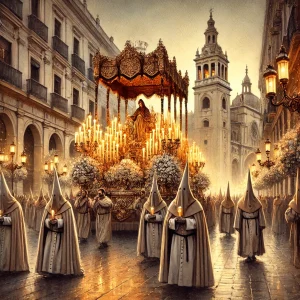
Spain is renowned for its passionate and elaborate Semana Santa (Holy Week) processions. Cities like Seville and Malaga come alive with elaborate floats, traditional music, and community involvement. The artistry of these processions is not only a religious spectacle but also a profound cultural experience that showcases Spain’s rich heritage.
2. Italy – Ancient Traditions and Modern Celebrations
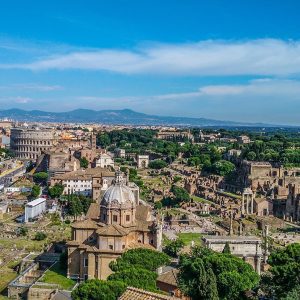
Italy hosts various regional celebrations, each with its own unique flair. In Rome, the Vatican’s ceremonies provide a deeply spiritual perspective on Easter, while smaller towns in Southern Italy are known for lively parades, traditional market fairs, and culinary events that invite visitors to taste local specialties.
3. Poland – Embracing Spirituality and Folk Customs
Known for its traditional Easter breakfasts and intricate palm processions, Poland offers a deep dive into centuries-old customs. Towns like Krakow and Lublin display beautifully decorated churches, while local residents host friendly gatherings that feature traditional foods like white borscht and Easter breads.
4. Hungary – Celebratory Markets and Community Spirit
Hungarian towns offer a mix of vibrant street markets and solemn church ceremonies. Enjoy local music and dance during outdoor festivities, and don’t miss the traditional Hungarian Easter soup, which serves as a symbolic culinary experience.
Dining Recommendations: Savoring Traditional Easter Flavors
Culinary traditions are at the very heart of Easter celebrations in Europe. The diverse flavors and recipes across countries offer an enticing journey for food lovers. Here are some dining suggestions:
- Italy: Relish the taste of Colomba di Pasqua, a dove-shaped Easter cake, along with savory lamb dishes and artisanal cheeses in charming trattorias.
- Spain: Indulge in Torrijas (a sweet, French toast-like dessert) paired with rich coffee, or sample regional specialties in tapas bars that bring family recipes to life.
- Poland: Enjoy a hearty Easter breakfast featuring borscht, white sausage, and decorated eggs. Many local cafés also serve traditional Easter pastries that have been perfected over generations.
- Hungary: Experience the warmth of Hungarian hospitality through slow-cooked lamb stews and seasonal vegetable dishes enriched with local spices.
Accommodations: Where to Stay for a Truly Authentic Experience
From luxury hotels to family-run inns, accommodation in Europe during Easter caters to every style and budget. Here are some suggestions:
- Traditional Boutique Hotels: In cities like Rome, Seville, and Krakow, boutique hotels often reflect the historical architecture and cultural heritage of the region. Choose accommodations that offer modern comfort while preserving traditional aesthetics.
- Country Inns and Guesthouses: For those desiring an immersive cultural experience, consider staying in rural guesthouses. These establishments often host local families who share personal stories behind their Easter traditions.
- Budget-Friendly Options: European cities also offer trendy hostels and pocket-friendly hotels. With careful research, you can find cheap places to visit that still provide a genuine local experience.
- Holiday Rentals: Consider renting an apartment or a holiday home during Easter. This option is especially appealing for families or groups wanting a private space where the local culinary delights can be enjoyed at your own pace.
Seasonal Advice: Navigating Easter Weather and Crowds
Timing your trip and being prepared for the seasonal climate can significantly enhance your Easter holiday experience.
- Weather: Late March to April in Europe is typically mild but can be unpredictable. Pack layering options, including light jackets and waterproof attire, as chances of rain are fairly common.
- Crowd Management: Popular destinations often host large crowds during Easter. Booking your accommodations and travel in advance is highly recommended. Consider visiting lesser-known towns or attending early-morning events to enjoy a calmer, more intimate celebration.
- Local Calendar: Keep an eye on local calendar events and specific dates for Easter processions or festivals. This not only helps in planning your itinerary but also ensures you don’t miss out on any key local celebrations.
Travel Tips for an Unforgettable Trip To Europe
Traveling during one of the most celebrated holiday seasons in Europe comes with its own set of challenges and rewards. Here are some tips to ensure your Easter journey is smooth and memorable:
- Plan Ahead: Secure tickets and make reservations well in advance. This is particularly important for high-demand attractions and accommodations in popular Easter Europe countries.
- Local Insights: Engage with locals to discover hidden gems—be it a secret chapel, a family-owned bistro, or an overlooked tradition that offers a deeper understanding of the Easter holiday celebrations.
- Public Transportation: Leverage Europe’s efficient train and bus systems. These not only allow you to hop between cities and regions with ease, but they also offer a scenic view of the countryside in full spring bloom.
- Language Basics: Learning a few key phrases in the local language can go a long way. Simple greetings and phrases related to greetings for Easter will help you connect with the local community.
- Local Cuisine Exploration: Embrace local dining customs. When invited for a communal meal, relish the opportunity to learn about traditions from the people who live and breathe these celebrations.
- Documentation: Don’t forget travel insurance, copies of your passport, and reservations. Consider taking detailed notes or a travel journal—a keepsake that captures the essence of your unique Easter experience.
Final Thoughts: Embracing a Traditional Easter with Modern Travel
Easter in Europe offers a dynamic blend of sacred rituals, communal joy, and historical artistry that makes it one of the most enchanting times to travel in Europe. From the ancient passion plays in Italy and Spain to the delicate art of egg decoration in Poland, every European country presents a unique lens through which you can appreciate the Easter holiday festivities.
As you explore the best places in Europe during this season, remember that the beauty of tradition lies in its diversity and its ability to connect people across generations. Whether you are seeking budget-friendly travel options or luxurious boutique experiences, each destination in this guide has something special to offer. The key is to remain open to new experiences, engage with local communities, and savor every moment of your Easter adventure.
Our comprehensive guide has been designed to help you navigate the maze of Easter traditions, activities, dining, accommodations, and travel tips, ensuring that your trip to Europe is as enriching as it is memorable. So pack your bags, bring your curiosity, and embark on a journey that promises to be as colorful and diverse as Europe itself.
Happy Easter and safe travels!