Across Europe, All Saints’ Day — a day steeped in history, spirituality, and tradition — is celebrated in many remarkable ways.
As communities gather to remember those who have passed on, diverse cultural rituals are infused with local customs, art, and heartfelt homage to the spirit of the departed.
In this guide, we explore ten unique ways different European countries honor their ancestors during this sacred time.
From candlelit vigils in ancient cemeteries to festive parades and traditional feasts, every practice is a window into the past and a vibrant reminder of cultural identity.
Read on to discover these fascinating traditions that transform All Saints’ Day into a celebration of life, memory, and community spirit.
1. Spain: A Tapestry of Candlelight and Remembrance
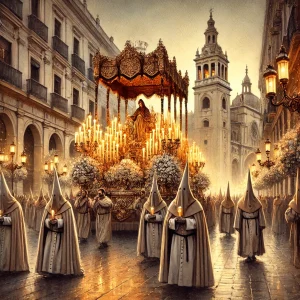
In Spain, All Saints’ Day finds expression through a combination of solemn reflection and communal warmth. Spanish families gather in cemeteries, where rows of tombs are illuminated by thousands of flickering candles, each flame a tribute to a loved one.
This tradition, known as “Día de Todos los Santos”, is deeply intertwined with the cultural fabric of the country. Many people spend the day preparing special meals, sharing stories, and visiting the resting places of ancestors to leave flowers — often chrysanthemums — and personal mementos.
The act of lighting candles is not only a symbolic guide for the souls, but it also serves as a metaphor for hope and continuity, bridging the gap between life and death. In many small towns, community processions, coupled with church services, intensify the sense of collective respect and gratitude.
This multi-sensory experience, where warmth meets remembrance, encapsulates the unique way Spain honors its heritage on Saints’ Day.
2. Italy: Honoring the Past with Art, Food, and Faith
In Italy, the fervor of All Saints’ Day is interlaced with both ritual and celebration. The Italian tradition is particularly notable for its emphasis on art and gastronomy.
Families decorate the graves of their ancestors with elaborate floral arrangements and recite prayers in the tranquil ambiance of centuries-old churches. The day is often marked by culinary feasts featuring seasonal dishes prepared with recipes passed down through generations.
In addition, many regions host public celebrations, where music, processions, and theatrical re-enactments of religious narratives come to life. These events not only pay homage to those who have departed, but also remind the living of the enduring influence of family, history, and community.
In Italy, All Saints’ Day is less about somber grieving and more about celebrating a shared cultural identity that continues to evolve while firmly rooted in tradition.
3. France: Blending the Sacred and the Secular
In France, the celebration of All Saints’ Day reflects a distinctive amalgamation of the sacred and the secular. Known as “La Toussaint,” the day is one of national importance as people flock to cemeteries to honor the departed with solemnity and grace.
Hundreds of years of tradition culminate in beautifully maintained cemetery rituals: families meticulously clean and decorate graves with seasonal flowers, and the soft, glowing light of candles evokes both remembrance and reverence.
Though French society is often viewed through the lens of modern secularism, the deeply ingrained tradition of All Saints’ Day provides an opportunity to pause and reflect on the enduring bonds of family and community.
Many regions complement these rituals with lively local markets where traditional foods, crafts, and seasonal produce are sold, filling the air with aromas and sounds that evoke memories of past celebrations. In these moments, the line between everyday life and sacred memory is artfully blurred.
4. Poland: The Enchantment of Candlelit Evenings
In Poland, All Saints’ Day, known as “Wszystkich Świętych,” is synonymous with tranquility and deep, personal reflection. Polish cemeteries across the country transform into canvases of light as families set up thousands of candles, creating an almost surreal nighttime landscape.
This atmospheric display is far beyond a mere ritual; it is an immersive experience, where the interplay of light and darkness symbolizes the eternal presence of those who have passed on.
Visits to cemeteries are often a family affair, as stories of ancestors are recounted while shared meals and quiet moments of remembrance bring comfort. The practice of lighting candles is imbued with personal meaning, serving as a reminder of the enduring connections that transcend physical absence.
In Poland, the beauty of these serene evenings encapsulates the essence of All Saints’ Day — an invitation to honor the past while embracing the light of the present and future.
5. Germany: Merging Tradition with Modern Reflection
In Germany, the tradition of All Saints’ Day is a profound mix of solemn remembrance and modern reflection. Known as “Allerheiligen,” the day is marked by visits to family graves, where loved ones are remembered amidst quiet spaces and meticulously cared-for monuments of memory.
The German approach is characterized by its precision and a deep respect for ritual, which is interwoven with an appreciation for simplicity.
Across the country, public ceremonies are held in churches and even in community centers, where history is recalled through hymns, readings, and moments of silent introspection. In more urban settings, innovative memorial projects and art installations introduce a contemporary twist to age-old commemorative practices.
This integration of the modern with the traditional reflects a broader cultural understanding of remembrance as an ongoing, evolving dialogue between past and present.
6. Portugal: A Spirited Fusion of Faith and Festivity
In Portugal, All Saints’ Day marries solemnity with an undeniable festive spirit. Known as “Dia de Todos os Santos,” the day is observed with both quiet contemplation and community-wide gatherings that celebrate life and heritage.
Portuguese families often partake in visits to cemeteries, where personal altars are adorned with photographs, flowers, and handwritten notes. This personal touch reinforces the connection between the living and the spirit of the departed.
Beyond the cemetery, public celebrations emerge in the form of parades, music, and street performances that recount local legends and historical narratives. Special church services offer a space for reflection, while community feasts allow neighbors to come together over traditional dishes and sweets that are unique to this time of year.
In Portugal, the duality of solemn remembrance and communal festivity captures a cultural ethos that honors both grief and the celebration of ancestral legacies.
7. Romania: An Eclectic Mix of Pagan Roots and Orthodox Traditions
Romania offers one of the most intriguing interpretations of All Saints’ Day, where deep-rooted Orthodox traditions converge with echoes of pagan customs. In many rural regions, families continue to visit cemeteries with offerings of food, handmade crafts, and even seasonal fruits, believing that these gestures nourish the souls of the ancestors.
The day is often imbued with rituals that predate modern religious practice, reflecting an eclectic blend of spiritual beliefs.
The Romanian approach to remembrance emphasizes storytelling and folklore; elders recount tales that interlace myth with reality, ensuring that every generation appreciates the continuity of history.
Candlelit vigils, midnight masses, and community bonfires are common, creating an atmosphere where the boundaries between the past and present elegantly blur.
By weaving together diverse elements of cultural heritage, Romania’s observance of All Saints’ Day stands out as a unique celebration of life, mystery, and the enduring power of ancestral memory.
8. Ireland: A Soulful Tribute Beyond the Halloween Hype
In Ireland, the observance of All Saints’ Day is often overshadowed internationally by the more commercialized celebration of Halloween; however, the Irish tradition itself is a profound and contemplative homage to the departed.
Amidst the lively cultural backdrop of music, dance, and storytelling, many Irish families set aside a quiet spiritual time to visit ancient graveyards, where the legacy of Gaelic ancestors and Christian saints converges.
The Irish approach is marked by a deep respect for nature and the cycles of life, resonating with the Celtic belief in the eternal spirit. Simple acts, such as leaving an offering of food or reciting ancient verses, serve as powerful reminders of the bonds that tie families and communities together.
These personal rituals, often conducted with an air of poetic intimacy, have the power to transform a mundane day into one filled with profound introspection and cultural pride.
9. The Czech Republic: Contemporary Remembrance in a Historic Setting
In the Czech Republic, All Saints’ Day, locally known as “Dušičky,” is embraced with a unique blend of history and modernity. The country’s centuries-old cemetery traditions are complemented by modern memorial practices, such as interactive exhibitions and digital tributes.
Families honor their ancestors by decorating graves with candles, flowers, and even personalized items that reflect the personality and life journey of the departed.
Community gatherings and cultural events often include live music, storytelling sessions, and public lectures on the history of local cemeteries, further enriching the meaning of the day. This progressive approach allows younger generations to engage with tradition in a way that is both educational and emotionally resonant. The Czech celebration of All Saints’ Day is thus not only a reminder of the past, but also a dynamic forum for exploring the evolving connection between memory and modern identity.
10. Hungary: A Quiet, Reverent Celebration of Memory
Hungary’s observance of All Saints’ Day is characterized by a quiet, introspective tone that invites individuals to engage in deep personal reflection. Known locally as “Mindenszentek,” the day is celebrated with spiritual services, solemn processions, and the careful preservation of family traditions.
Hungarian families often spend the day in the calm atmosphere of cemeteries, where meticulously maintained tombstones and the soft glow of candlelight create an aura of respectful remembrance.
Aside from the ritualistic visits, many Hungarians also take the time to prepare traditional meals and attend community events that emphasize the importance of familial bonds and historical continuity. The understated nature of the celebrations allows for a personal connection with those who have passed on.
By fostering a quiet, soulful environment during this special time of year, Hungary reinforces the belief that memory, respect, and love are the cornerstones of cultural and spiritual identity.
Conclusion: Embracing Ancestral Heritage Across Europe
All Saints’ Day in Europe is more than a day of ritual; it is a vibrant manifestation of collective memory, spiritual continuity, and cultural identity. Each country showcased in this guide paints a unique picture of how communities across the continent continue to honor their ancestors through a blend of age-old traditions and modern expressions of reverence.
Whether it is the gentle glow of candlelit cemeteries in Poland, the lively public celebrations in Italy, or the quiet reflection symbolized by Hungary’s “Mindenszentek,” one thing is certain: the spirit of the departed is kept alive by the myriad ways these cultures pay tribute to their past.
The diversity of practices reminds us that while traditions may differ, the underlying message is universal — that honoring those who came before us is a timeless act of gratitude, continuity, and hope.
As Europe’s populations evolve and new customs emerge, the legacy of All Saints’ Day continues to serve as a bridge between history and modernity, ensuring that the voices of our ancestors remain a guiding light for generations to come.